Featured
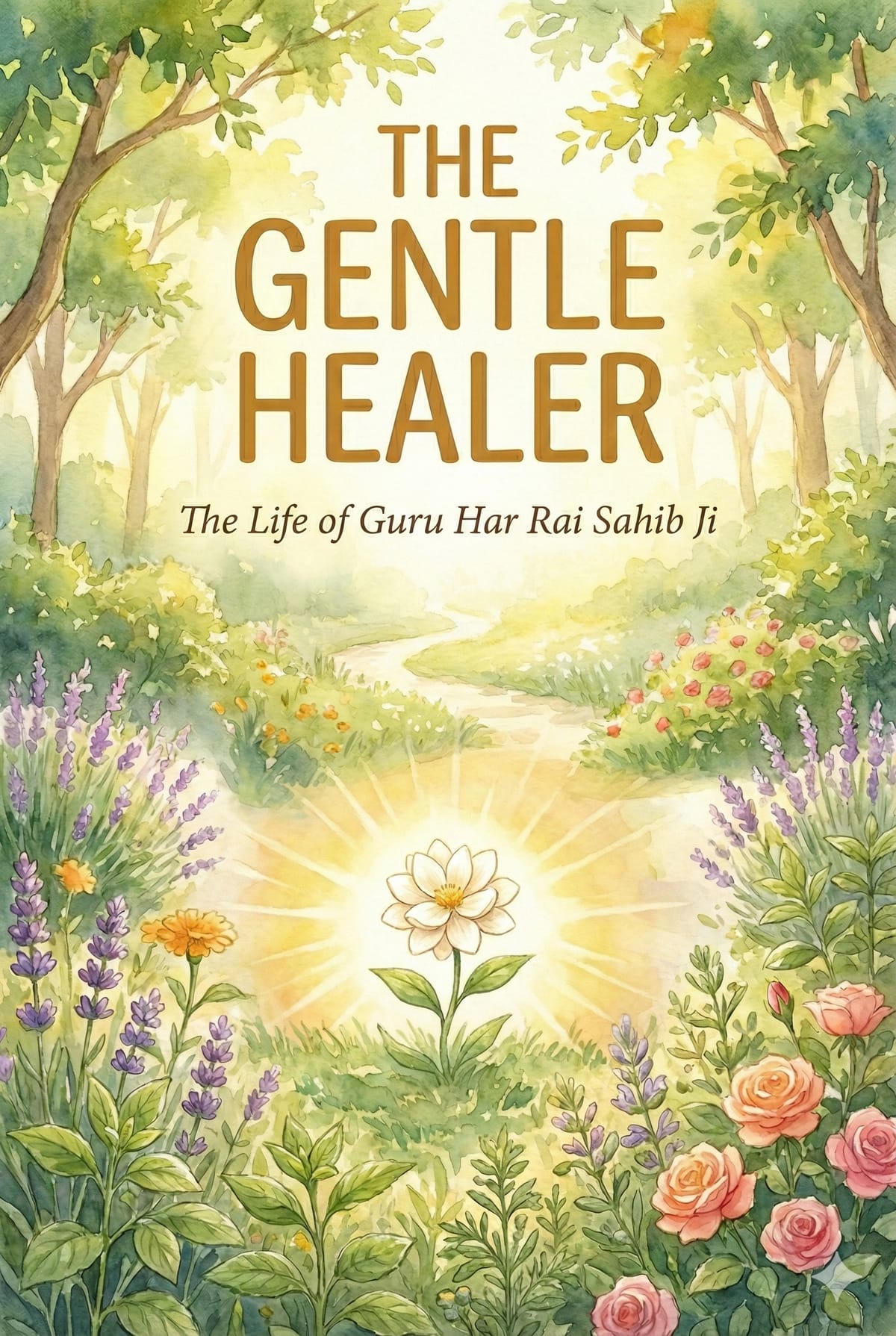
The Gentle Healer: The Life of Guru Har Rai Sahib Ji
A children's story about Guru Har Rai Sahib Ji, the seventh Sikh Guru known for his compassion, healing, and unwavering commitment to truth.
Guru Har Rai Ji
Long, long ago, in a beautiful town called Kiratpur nestled in the foothills of the Himalayas, there lived a young boy named Har Rai. He was born on a cold January morning in 1630, and from the very beginning, everyone noticed something special about him.
Har Rai was the grandson of the great Guru Hargobind Sahib Ji, the sixth Guru of the Sikhs. While other children raced through gardens, young Har Rai walked with slow, careful steps, making sure never to crush even a single flower beneath his feet.
The Young Guru
When Har Rai was just fourteen years old, something very important happened. His grandfather, Guru Hargobind Sahib Ji, was preparing to leave this world. He looked at all the people around him and chose young Har Rai to become the next Guru.
Imagine being asked to lead and guide thousands of people when you are still so young! The responsibility was enormous. But Har Rai had a gentle heart and a strong spirit. He remembered everything his grandfather had taught him about serving others with love. He was ready.
The Great Famine
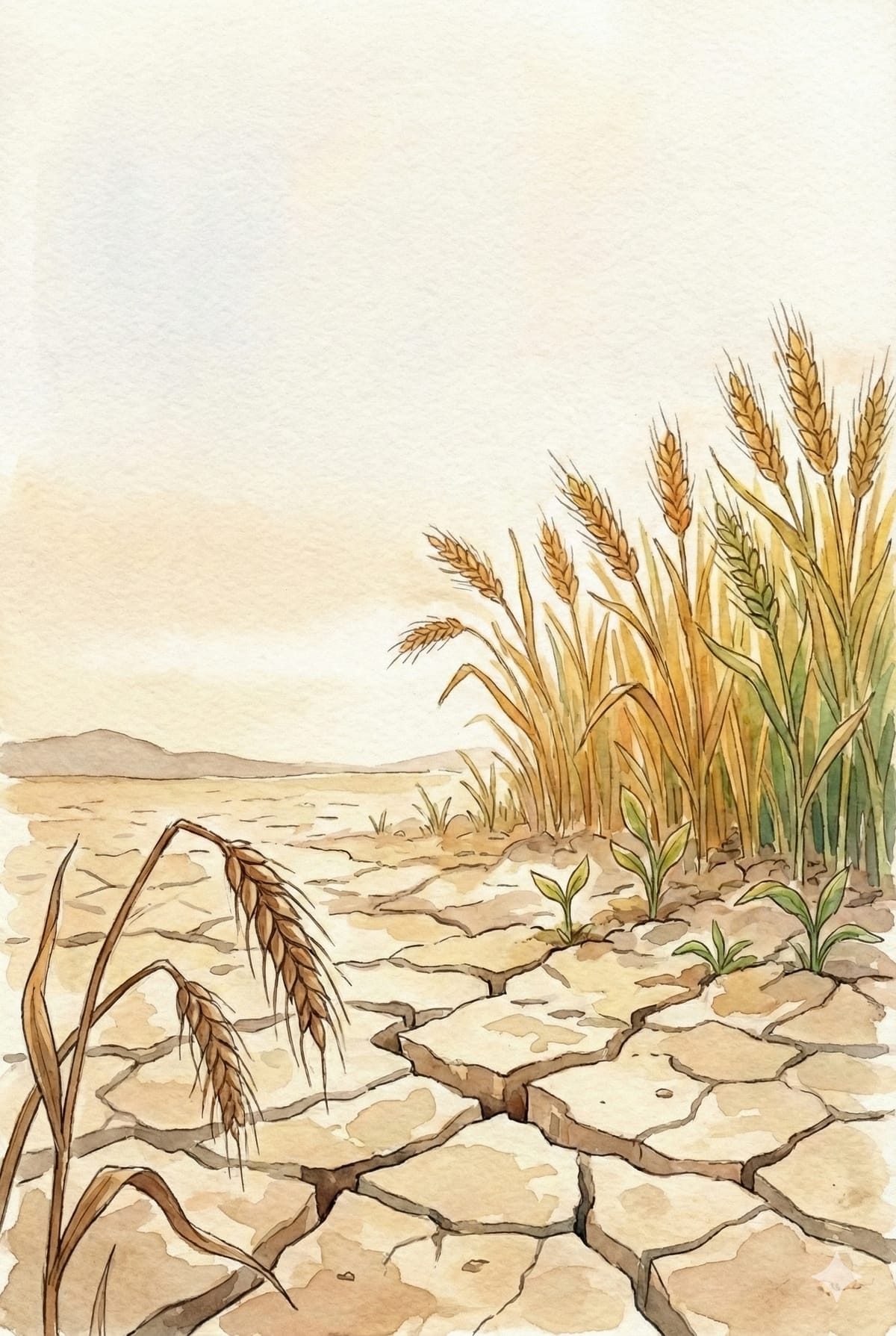
Soon after becoming Guru, a terrible thing happened. The rains stopped coming. The crops dried up. A famine spread across Punjab, and for three long years, people went hungry.
But Guru Har Rai Sahib Ji remembered what his grandfather and the Gurus before him had taught: Sikhs share what they have.
He opened the Guru's treasury and used the Dasvandh—the portion of earnings that Sikhs give to help others—to feed hungry families. Sikhs from faraway places who had food to spare sent help to Punjab.
No one was turned away. Everyone was fed.
The Healing Garden
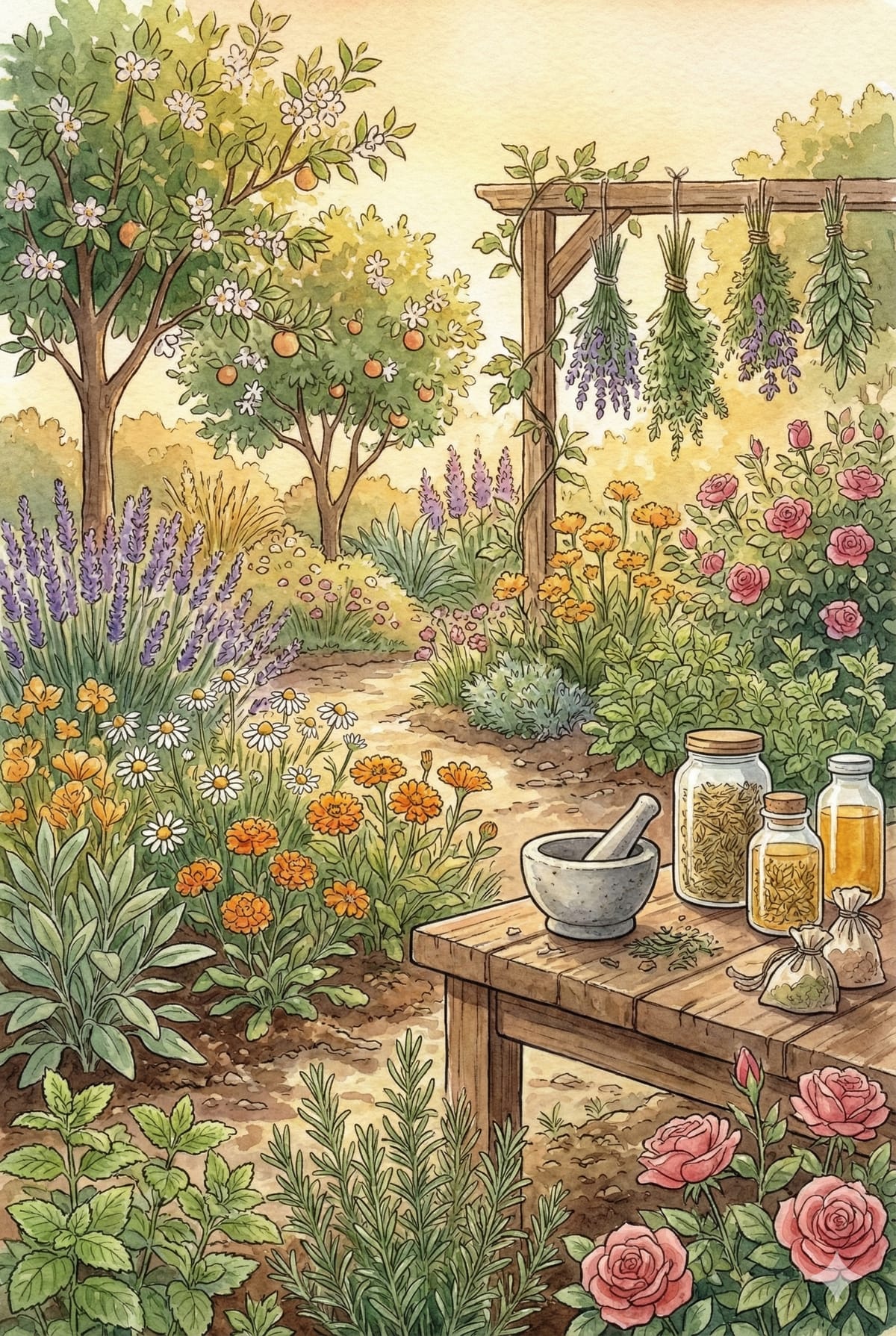
Here is something wonderful about Guru Har Rai Sahib Ji: he was a healer.
In his home at Kiratpur, Guru Ji grew a magnificent garden filled with rare herbs and plants. The air was thick with the scent of healing leaves—tulsi, neem, and many rare plants.
Guru ji saw the pain in the world and used his garden to heal it. With deep compassion, he prepared remedies to heal the sick and broken. He established a sanctuary where anyone—rich or poor, Sikh or not—could come and receive healing without cost or judgment.
One day, a message arrived from far away. Prince Dara Shikoh, the son of the Emperor Shah Jahan, was very sick. The royal doctors said only special herbs from Guru Har Rai Sahib Ji's garden could save him.
Now, the Emperor's family had not always been kind to the Sikhs. Some might have said, "Why should we help them?"
But do you know what Guru Ji did?
He sent the medicine right away.
The prince recovered, and he was so grateful that he traveled all the way to Kiratpur to thank the Guru in person.
The River Crossing
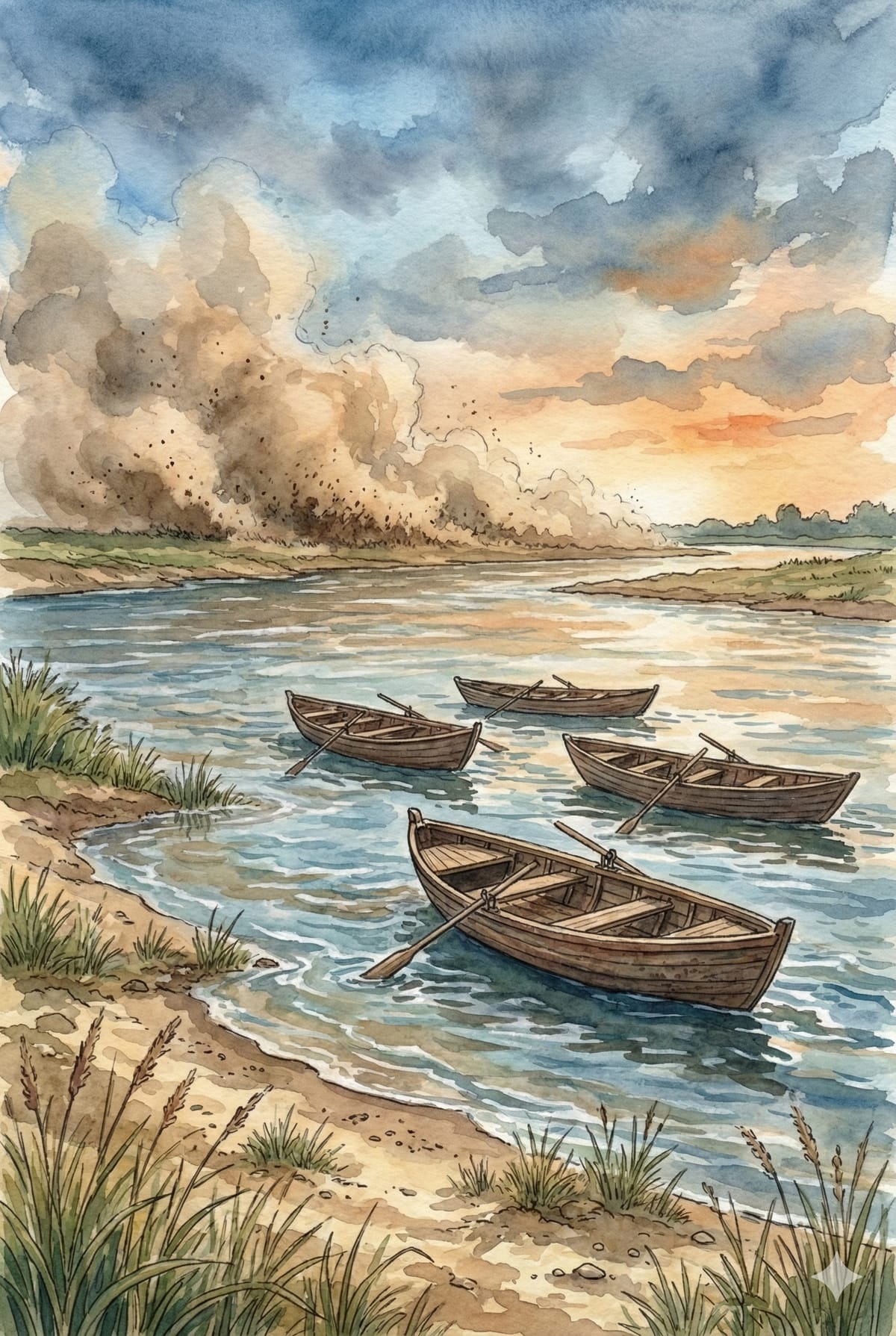
Later, there was a great battle between princes fighting over who would become the next emperor. Prince Dara Shikoh—the same one Guru Ji had healed—was running for his life from his younger brother Aurangzeb.
Tired and afraid, Prince Dara came to Guru Har Rai Sahib Ji and asked for help.
Guru Ji gave him food and comfort. He reminded the prince to have courage and faith in Waheguru. Then, to give the prince time to escape, Guru Ji sent his soldiers to the rushing waters of the River Beas. They unmoored every boat and rowed them to the far bank so the chasing army could not cross for a whole day.
By then, Prince Dara had reached safety.
The Test of Truth

When Aurangzeb became emperor, he was angry that Guru Ji had helped his brother. He demanded the Guru come to Delhi to explain himself.
Guru Har Rai Sahib Ji sent his elder son, Ram Rai, instead. "Remember," Guru Ji told his son, "always speak the truth. Always honor Gurbani. Waheguru is with you."
Ram Rai was clever. He answered the emperor's questions well. But then came a tricky moment.
The emperor's advisors found a line in Gurbani and twisted its meaning to make it seem insulting. They asked Ram Rai to explain it.
Ram Rai had a choice. He could be brave, or he could be safe.
Instead of standing firm and explaining the true meaning, Ram Rai changed the words of Gurbani to please the emperor. He chose fear over truth.
The emperor was happy and gave Ram Rai land and riches.
But when Guru Har Rai Sahib Ji heard what happened, his heart broke.
He sent a message to his son: "You have changed the sacred words of Guru Nanak Dev Ji to impress a king. I cannot see your face again."
The Sacred Words

This must have been so hard for Guru Ji. Why was he so upset that Ram Rai changed the words?
The words of Gurbani are sacred. They contain truth that helps all people, for all time. No one—not even to please a powerful king, not even to avoid trouble—should ever change them.
Guru Har Rai Sahib Ji taught us that we never change who we are or what we believe just to fit in or make others happy. Our identity and our truth are precious.
The Gentle Legacy
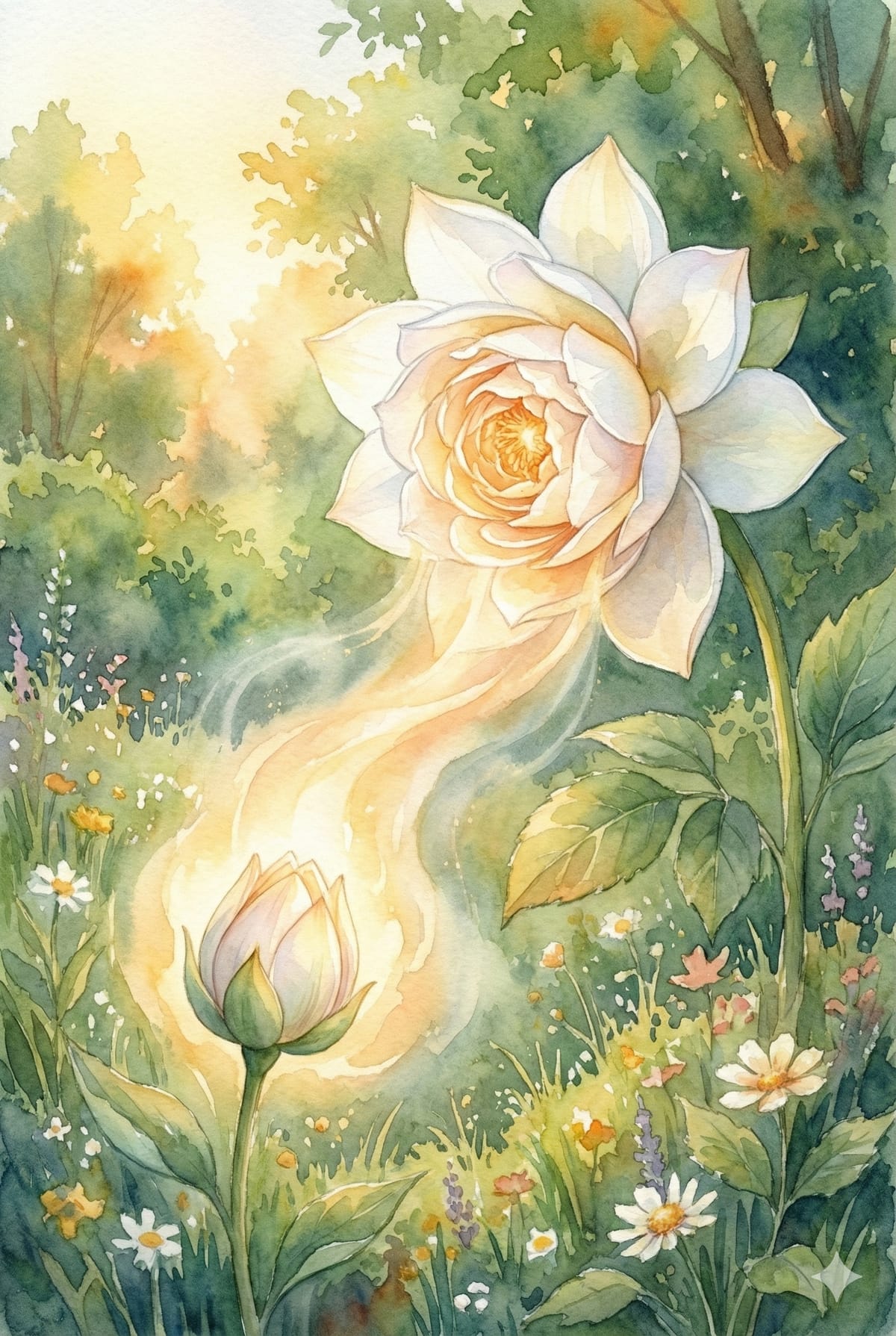
Guru Har Rai Sahib Ji led the Sikhs for seventeen years. He passed on the Guruship to his younger son, Har Krishan Ji, who was only five years old at the time.
Throughout his life, Guru Har Rai Sahib Ji fed the hungry during famine, healed the sick, helped those in danger regardless of who they were, and protected the truth of Gurbani even when it cost him his relationship with his own son. He strengthened the Sikh community by building centers of learning where people could grow in their faith.
He showed us that being strong does not always mean fighting. Sometimes the strongest thing you can do is be gentle, be kind, and stand firm in truth.
Reflection

Think about Guru Har Rai Sahib Ji's healing garden. Imagine all those plants and herbs, each one with the power to help someone feel better.
Just like Guru Ji's garden, you have gifts inside you that can help others. Maybe you are good at making people laugh when they are sad. Maybe you are good at including others in games. Whatever your gift is, remember to share it freely—just like Guru Ji shared his medicine with everyone who needed it.
Quick Facts
| Fact | Detail |
|---|---|
| Birth | January 16, 1630 |
| Birthplace | Kiratpur Sahib |
| Parents | Baba Gurditta Ji and Mata Nihal Kaur Ji |
| Became Guru | 1644 (at age 14) |
| Known for | Compassion, healing, protecting truth |
| Special place | His hospital and healing garden |
| Successor | Guru Har Krishan Sahib Ji (his younger son) |
| Left for Sachkhand | October 6, 1661 |
Vocabulary
Dasvandh: Giving one-tenth of what you earn to help others. Sikhs have practiced this since the time of the Gurus.
Kiratpur Sahib: A town in Punjab founded by Baba Gurditta Ji (Guru Har Rai Sahib Ji's father). Many important events in Sikh history happened here.
Gurbani: The sacred words and hymns in Sri Guru Granth Sahib Ji.
Sewa: Selfless service to others without expecting anything in return.
Sachkhand: The realm of truth; the divine abode.
Discussion Points
- Guru Har Rai Sahib Ji helped Prince Dara Shikoh even though the emperor's family had not been kind to Sikhs. What does this teach us about helping others?
- Ram Rai had a choice between being brave and being safe. Why do you think he chose to change the words?
- Have you ever felt pressure to change who you are to make others happy? What did you do?
- Guru Ji built a hospital where everyone could get free medicine. What are some ways we can help people who are sick or in need?
- How is being gentle and kind a form of strength?
About This Story
This story comes from the life of Guru Har Rai Sahib Ji, the seventh Guru of the Sikhs. He led the Sikh community from 1644 to 1661.
Guru Har Rai Sahib Ji's message was simple but powerful: true strength comes from compassion, not force. He showed us that we should help everyone in need, regardless of who they are or how they have treated us. And he taught us that the truth of Gurbani must never be changed—not for kings, not for riches, not for anything.
His legacy lives on in the Sikh values of sewa (selfless service), dasvandh (sharing with others), and standing firm in truth no matter the cost.
Thank You
This book would not have been possible without the love, support, and encouragement of many wonderful people.
To My Family
Thank you to my family for your constant love, support, and encouragement. Special thanks to my daughter Japji Kaur, who reviewed multiple drafts and provided valuable insights from a young reader's perspective.
To Our Readers
Finally, thank you to the parents, teachers, librarians, and children who will share this story. May it spark meaningful conversations about compassion, truth, and the importance of good deeds in our daily lives.
Explore More
- The Light of Truth: The Life of Guru Nanak Dev Ji — The story of the first Sikh Guru
- The Boy Who Picked Up Stones — A story about compassion and a lifetime of seva
- How to Be a Volunteer: The Art of Selfless Service — A guide on approaching seva with the right mindset