A Guide to the Sikh Calendar
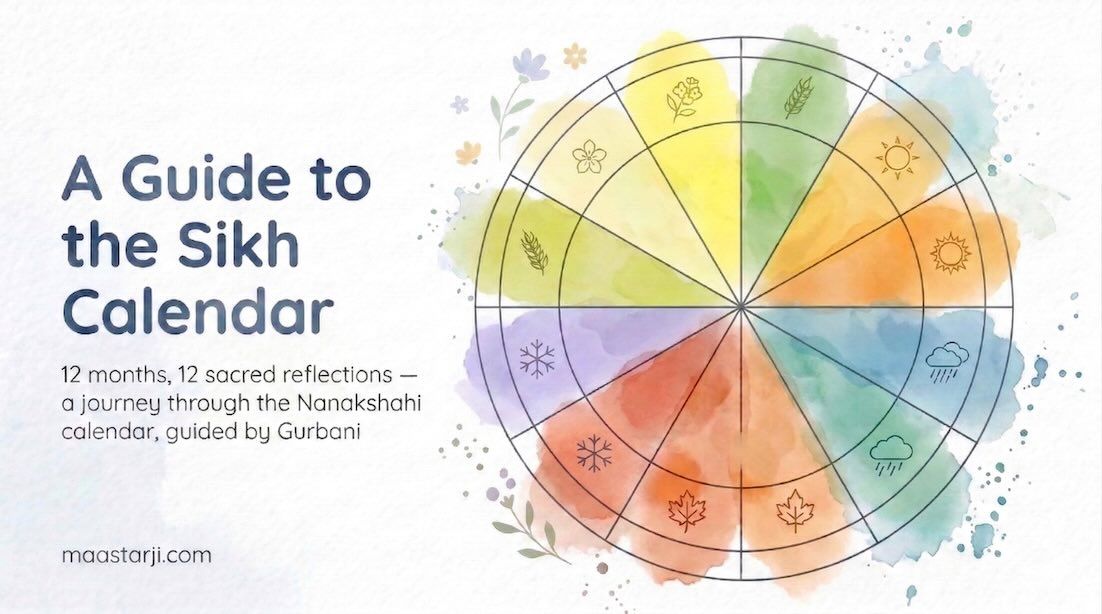
12 months, 12 sacred reflections — a journey through the Nanakshahi calendar, guided by Gurbani
Can You Name All Twelve?
Chet, Vaisakh… maybe Sawan and Poh. After that, most of us would need a moment. And that's okay — this isn't a test.
But here's what might surprise you: these twelve month names aren't just calendar labels. They come directly from Sri Guru Granth Sahib Ji, from two of the most beloved compositions in all of Gurbani — the Barah Maha ("Twelve Months"). The Sikh calendar isn't just a way to track dates. It's a spiritual framework that the Gurus composed sacred Bani about — Bani that maps the turning of the seasons to the soul's yearning for the Divine.
This guide is for anyone who wants to understand the basics: when does the Sikh year begin, what are the twelve months, what does Gurbani say about each one, and how can we bring this into our everyday lives? No jargon, no prerequisites — just the essentials.
When Does the Sikh Year Begin?
The Sikh year begins on 1 Chet, which corresponds to March 14 in the Gregorian calendar. This is the start of the Nanakshahi year.
The year starting March 14, 2026 is Nanakshahi Samat 558. The name "Nanakshahi" means "of Nanak's era" — Year 1 corresponds to the birth year of Sri Guru Nanak Dev Ji in 1469 CE.
The calendar was formalized by Pal Singh Purewal, a Canadian Sikh and retired computer engineer, who began working on it in the 1960s. His goal was to give Sikhs a calendar rooted in Gurbani, scientifically precise, and independent of other traditions. The Shiromani Gurdwara Parbandhak Committee (SGPC) officially approved the Nanakshahi calendar in 2003.
It is a tropical solar calendar, which means the months stay permanently aligned with the seasons. The first five months have 31 days each, the next six have 30 days each, and the final month (Phagun) has 30 days in a regular year and 31 in a leap year.
The practical benefit is straightforward: with fixed dates, 1 Chet is always March 14, Vaisakhi is always April 14, and every Sangrand (the first day of each month) falls on the same Gregorian date year after year. You can add them to your calendar once and they'll hold true forever.
Why Does the Year Start with Chet?
The answer lives in Sri Guru Granth Sahib Ji itself. There are two compositions called Barah Maha ("Twelve Months") — one by Sri Guru Nanak Dev Ji in Raag Tukhari (Ang 1107–1110) and one by Sri Guru Arjan Dev Ji in Raag Majh (Ang 133–136). Both begin with the month of Chet.
Barah Maha is a form from the Punjabi literary tradition, traditionally used to express the longing of a separated beloved through the changing seasons. The Gurus transformed this form entirely: instead of romantic longing, the protagonist becomes the human soul yearning for union with Waheguru. Each month becomes a stage in the spiritual journey — from separation to reunion.
On Sangrand (the first day of each Sikh month), it is a tradition in many Gurdwaras to recite the corresponding month's shabad from the Barah Maha in Raag Majh. This is how the calendar and Gurbani stay connected in living practice.
The Twelve Months at a Glance
Here are all twelve months of the Nanakshahi calendar, with their Gurmukhi names, Gregorian dates, and the season they correspond to in Punjab.
| # | Month | ਗੁਰਮੁਖੀ | Days | Gregorian Dates | Season |
|---|---|---|---|---|---|
| 1 | Chet | ਚੇਤ | 31 | Mar 14 – Apr 13 | Spring |
| 2 | Vaisakh | ਵੈਸਾਖ | 31 | Apr 14 – May 14 | Spring |
| 3 | Jeth | ਜੇਠ | 31 | May 15 – Jun 14 | Summer |
| 4 | Harh | ਹਾੜ | 31 | Jun 15 – Jul 15 | Summer |
| 5 | Sawan | ਸਾਵਣ | 31 | Jul 16 – Aug 15 | Monsoon |
| 6 | Bhadon | ਭਾਦੋਂ | 30 | Aug 16 – Sep 14 | Monsoon |
| 7 | Assu | ਅੱਸੂ | 30 | Sep 15 – Oct 14 | Autumn |
| 8 | Kattak | ਕੱਤਕ | 30 | Oct 15 – Nov 13 | Autumn |
| 9 | Maghar | ਮੱਘਰ | 30 | Nov 14 – Dec 13 | Winter |
| 10 | Poh | ਪੋਹ | 30 | Dec 14 – Jan 12 | Winter |
| 11 | Magh | ਮਾਘ | 30 | Jan 13 – Feb 11 | Winter |
| 12 | Phagun | ਫੱਗਣ | 30/31 | Feb 12 – Mar 13 | Winter |
Month by Month: What Gurbani Says
Below is a walk through each month, drawing from Sri Guru Arjan Dev Ji's Barah Maha in Raag Majh (Sri Guru Granth Sahib Ji, Ang 133–136). For each month, you'll find the opening Gurbani line, a brief reflection, and a way to connect it to everyday life.
ਚੇਤ — Chet
Mar 14 – Apr 13 · Spring
ਚੇਤਿ ਗੋਵਿੰਦੁ ਅਰਾਧੀਐ ਹੋਵੈ ਅਨੰਦੁ ਘਣਾ ॥ By remembering the Master of the universe in the month of Chetar, great rejoicing emanates. (Ang 133)
Spring has arrived. In Punjab, this is when the mustard fields turn golden, the air warms, and life visibly renews. Sri Guru Arjan Dev Ji opens the Barah Maha with an invitation: in this season of natural renewal, turn your attention to Waheguru, and an inner joy will blossom that mirrors the world outside. Those who have found this connection — blessed is their coming into this world. Those who live without it, even for an instant — their lives feel incomplete.
Bringing it home: The Sikh year starts with spring — renewal, fresh beginnings. A natural time to set a spiritual intention for the year ahead. What do you want to grow this year?
ਵੈਸਾਖ — Vaisakh
Apr 14 – May 14 · Spring
ਵੈਸਾਖਿ ਧੀਰਨਿ ਕਿਉ ਵਾਢੀਆ ਜਿਨਾ ਪ੍ਰੇਮ ਬਿਛੋਹੁ ॥ In the month of Vaisakh, how can the separated, who suffer separation from their Beloved, have patience? (Ang 133)
Nature is in full bloom. In Punjab, Vaisakhi marks the wheat harvest — a time of abundance and celebration. Guru Ji describes the beauty of the season but reminds us that without divine connection, even abundance feels hollow. The soul that recognizes the Guru's wisdom finds truth in this month.
Bringing it home: Vaisakhi falls on 1 Vaisakh (April 14) — marking the birth of the Khalsa in 1699 CE. This is also the month that multiple early historical sources — the Puratan Janamsakhi, Miharban Janamsakhi, Gyan Ratanavali, and the Vilayat Vali Janamsakhi — associate with the birth of Sri Guru Nanak Dev Ji (Vaisakh Sudi 3). Some Sikh traditions and the Mool Nanakshahi Calendar observe Guru Nanak Dev Ji's Prakash Purab in Vaisakh, while most of the Panth currently celebrates it in Kattak (see the Kattak entry below).
ਜੇਠ — Jeth
May 15 – Jun 14 · Summer begins
ਹਰਿ ਜੇਠਿ ਜੁੜੰਦਾ ਲੋੜੀਐ ਜਿਸੁ ਅਗੈ ਸਭਿ ਨਿਵੰਨਿ ॥ In the month of Jeth, we long to be united with the One before whom all bow. (Ang 134)
The heat begins to build. Guru Ji says those who taste the nectar of Naam remain cool even as the world around them heats up. The soul that stays connected to the divine source doesn't wilt in the summer of worldly distraction.
Bringing it home: The temperature rises — and so do life's distractions. Jeth is a reminder to stay grounded.
ਹਾੜ — Harh
Jun 15 – Jul 15 · Peak summer
ਆਸਾੜੁ ਤਪੰਦਾ ਤਿਸੁ ਲਗੈ ਹਰਿ ਨਾਹੁ ਨ ਜਿੰਨਾ ਪਾਸਿ ॥ The month of Harh seems scorching for those who do not have God the Spouse near them. (Ang 134)
Peak summer in Punjab — the sun is relentless. Sri Guru Arjan Dev Ji, who Himself endured unimaginable suffering at the hands of the Mughal authorities, speaks of the burning that comes from separation. Those who walk with the Guru find shade even in the fiercest heat.
ਸਾਵਣ — Sawan
Jul 16 – Aug 15 · Monsoon
ਸਾਵਣਿ ਸਰਸੀ ਕਾਮਣੀ ਚਰਨ ਕਮਲ ਸਿਉ ਪਿਆਰੁ ॥ In the month of Sawan, happy is the bride who enshrines love for the Lord's lotus feet. (Ang 134)
The monsoon arrives and Punjab transforms. In Gurbani, the rain is divine grace. Those united with the Beloved rejoice; those without that connection find no comfort even in the cooling rains. Raag Malaar, the musical mode associated with the monsoon, can be sung during these months.
ਭਾਦੋਂ — Bhadon
Aug 16 – Sep 14 · Late monsoon
ਭਾਦੁਇ ਭਰਮਿ ਭੁਲਾਣੀਆ ਦੂਜੈ ਲਗਾ ਹੇਤੁ ॥ In Bhadon, she who cherishes love for another is lost in doubt. (Ang 134)
The late monsoon brings lush greenery but also murkiness — flooding, humidity, discomfort. Guru Ji speaks of the danger of clinging to ego and attachment. Youth and beauty are fleeting. The one who holds onto Naam stays afloat; the one trapped in ego drowns.
ਅੱਸੂ — Assu
Sep 15 – Oct 14 · Autumn
ਅਸੁਨਿ ਪ੍ਰੇਮ ਉਮਾਹੜਾ ਕਿਉ ਮਿਲੀਐ ਹਰਿ ਜਾਇ ॥ In Assu, the Lord's love is overflowing from within me. How shall I go and meet God? (Ang 134-135)
Autumn arrives. The harvest is underway, the air clears, the world turns golden. Guru Ji describes the soul calling out for its Beloved to return. There's a tenderness in this month's shabad — a longing that becomes an invitation. Come home, wandering soul.
ਕੱਤਕ — Kattak
Oct 15 – Nov 13 · Autumn
ਕਤਿਕਿ ਕਰਮ ਕਮਾਵਣੇ ਦੋਸੁ ਨ ਕਾਹੂ ਜੋਗੁ ॥ In Kattak, do good deeds — it is not advisable to impute blame to any other. (Ang 135)
A month of personal accountability. Sri Guru Arjan Dev Ji's message is direct: our suffering and joy are shaped by our own choices. The lamp of divine wisdom lights the way through the darkening autumn days.
About Guru Nanak Dev Ji's Prakash Purab: Most of the Panth currently celebrates Sri Guru Nanak Dev Ji's Prakash Purab (birthday) on the full moon of Kattak (Kattak Pooranmashi). This tradition has been observed widely for over 150 years. At the same time, the majority of early Janamsakhi sources — the Puratan Janamsakhi, Miharban Janamsakhi, Gyan Ratanavali, and the Vilayat Vali Janamsakhi — record Guru Nanak Dev Ji's birth in the month of Vaisakh (April 1469). The records of Guru Nanak Dev Ji's passing (Asauj, Samvat 1596 / September 1539 CE), which state his age as 70 years, 5 months, and 7 days, also point toward a Vaisakh birth when calculated backward. Historian Karam Singh's 1912 work "Kattak ke Vaisakh" brought this scholarly discussion to wider attention. The Mool Nanakshahi Calendar places the Prakash Purab on 1 Vaisakh (April 14).
This is an area where Sikh scholars and institutions continue to engage in thoughtful conversation — a sign of a vibrant, living tradition. What matters most is that we honour Sri Guru Nanak Dev Ji's life and teachings, whenever we observe it.
ਮੱਘਰ — Maghar
Nov 14 – Dec 13 · Pre-winter
ਮੰਘਿਰਿ ਮਾਹਿ ਸੋਹੰਦੀਆ ਹਰਿ ਪਿਰ ਸੰਗਿ ਬੈਠੜੀਆਹ ॥ In Maghar, beautiful are they who sit with their Beloved God. (Ang 135)
Pre-winter arrives. There was a widespread superstition that dying in the month of Maghar was inauspicious. Gurbani directly challenges this. Sri Guru Nanak Dev Ji's response is clear: if one remembers Waheguru, every single month is blessed. Those who have found their Beloved are radiant regardless of the calendar. Those who remain separated suffer endlessly — but the month itself is not to blame.
Bringing it home: If you ever hear someone say a certain day or time is "bad luck," this month's shabad is the perfect response. That kind of thinking has no place in Sikhi.
ਪੋਹ — Poh
Dec 14 – Jan 12 · Winter
ਪੋਖਿ ਤੁਖਾਰੁ ਨ ਵਿਆਪਈ ਕੰਠਿ ਮਿਲਿਆ ਹਰਿ ਨਾਹੁ ॥ In Poh, cold affects not those whom God the Spouse hugs to His bosom. (Ang 135)
Deep winter. Punjab is freezing. Guru Ji says the cold of Poh cannot touch those warmed by the fire of Naam. But those separated from the Divine shiver endlessly, no matter how many worldly comforts they pile on. Cold becomes metaphor: spiritual emptiness as a chill that nothing external can ease.
ਮਾਘ — Magh
Jan 13 – Feb 11 · Deep winter
ਮਾਘਿ ਮਜਨੁ ਸੰਗਿ ਸਾਧੂਆ ਧੂੜੀ ਕਰਿ ਇਸਨਾਨੁ ॥ In Magh, deem the bath in the dust of the saints' congregation as an ablution at shrines. (Ang 135-136)
In Hindu tradition, Magh is a month of ritual bathing at holy sites, believed to wash away sins. Sri Guru Arjan Dev Ji acknowledges the practice but redirects: real purification happens through Naam, through inner devotion, not through external rituals alone. You can bathe at every teerath in the world — without divine love, the inner transformation doesn't come.
Bringing it home: Maghi (1 Magh / January 13) commemorates the 40 Mukte — the forty liberated ones who fought and fell at the Battle of Muktsar. Lohri falls the evening before. Gurbani's message about inner transformation over outward ritual is especially meaningful in this month.
ਫੱਗਣ — Phagun
Feb 12 – Mar 13 · Late winter / pre-spring
ਫਲਗੁਣਿ ਅਨੰਦ ਉਪਾਰਜਨਾ ਹਰਿ ਸਜਣ ਪ੍ਰਗਟੇ ਆਇ ॥ In Phagun, they alone obtain happiness unto whom God the Friend has become manifest. (Ang 136)
The year comes full circle. Winter is loosening its grip; spring is around the corner. Guru Ji's Barah Maha reaches its beautiful culmination: the soul has found the Beloved within its own heart. And then comes the closing declaration that ties the entire composition together — all the months, all the days, all the moments are blessed for the one upon whom the Lord casts a glance of grace.
Bringing it home: Hola Mohalla falls in Phagun — the Sikh gathering of martial spirit and celebration established by Sri Guru Gobind Singh Ji. The year closes with both warrior energy and spiritual reunion. A meaningful time to look back on the twelve months and ask: what did we learn this year?
What Gurbani Says About Time
Sri Guru Granth Sahib Ji contains an extraordinarily rich engagement with time. Beyond the Barah Maha (months), there are compositions on the days of the week (Vaar Sat by Sri Guru Amar Das Ji and Bhagat Kabir Ji), lunar dates (Thithi by Sri Guru Nanak Dev Ji, Sri Guru Arjan Dev Ji, and Bhagat Kabir Ji), the four watches of the day (Pehre), and the six seasons (Ruti). Time, in all its dimensions, is woven into Gurbani.
But across all of these compositions, one message is consistent: no day, month, or moment is inherently auspicious or inauspicious. The Gurus used these temporal frameworks as vehicles for spiritual teaching — reflections on inner states — while explicitly rejecting the belief that certain times carry inherent spiritual power.
Sri Guru Amar Das Ji states in Raag Bilawal (Ang 843): the foolish and ignorant worship lunar dates and days of the week as if they have power on their own. Without the Satguru's guidance, people live in darkness.
And Sri Guru Nanak Dev Ji, in the closing lines of the Barah Maha in Raag Tukhari, declares all twelve months, all six seasons, all lunar and solar days, all hours, minutes, and seconds as "bhale" — blessed. Every moment is sacred for the one who finds the True One within.
This is a vital understanding. The Sikh calendar is a tool for remembrance and community rhythm, not for astrology or superstition. When someone says "this is a bad day" or "don't start something new in this month," Gurbani's position is clear: that thinking has no place in Sikhi.
Why Dates Sometimes Differ
If you've noticed that one Gurdwara celebrates a Gurpurab on a different date than another, you're not imagining it. There's a reason, and it's worth understanding.
For most of Sikh history, the Panth used the Bikrami calendar, a luni-solar system shared with the broader North Indian cultural landscape. This meant Gurpurab dates were tied to lunar calculations, which caused them to shift from year to year in the Gregorian calendar. It also meant a so-called "inauspicious month" (malmas) would periodically appear — a concept that directly contradicts Gurbani's teaching that no month is good or bad.
The Nanakshahi calendar, as originally adopted in 2003, fixed all major dates to the solar cycle. Gurpurabs would fall on the same Gregorian date every year. In 2010, however, the SGPC amended the calendar, reverting several key dates — including Sri Guru Nanak Dev Ji's and Sri Guru Gobind Singh Ji's Prakash Purabs — back to the lunar Bikrami system.
Today, many Gurdwaras around the world, follow the original fixed-date calendar (often called the Mool Nanakshahi Calendar). Others follow the SGPC's amended version. Both are in active use.
This reflects a community that cares deeply about how it honours its history. The important thing is to engage with the substance — learn the month names, read the Barah Maha, mark the Gurpurabs, share the stories. The calendar is a bridge, not a barrier.
Activities: Bringing the Sikh Calendar to Life
Here are some simple ways to make the Sikh calendar a living part of your year. Pick one or two that feel right — there's no need to do them all.
1. "Name That Month" Flashcard Challenge
Print the Nanakshahi Month Flashcards — one card per month, with the Gurmukhi name, Gregorian dates, season, and a Gurbani line from Barah Maha. Each card has a drawing space where kids can illustrate the season or a festival they know. Quiz each other. Goal: name all 12 months in order within a week. It becomes a game, not a chore.
2. Spot Your Birthday on the Sikh Calendar
Figure out which Sikh month your birthday falls in. What does the Barah Maha bani say about that month? This gives everyone a personal connection to the calendar. "I'm a Sawan baby — the month of rain and grace!" It turns an abstract concept into something personal and memorable.
3. Match the Month (For Young Learners)
A simple printable activity: three columns — month name, season or nature image (flowers for Chet, rain for Sawan, snow for Poh), and major Gurpurab. Draw lines to connect them. Visual, simple, and effective.
A Final Thought
Sri Guru Nanak Dev Ji, in the closing verse of the Barah Maha in Raag Tukhari, declares all twelve months, all seasons, all moments as "bhale" — blessed. Sri Guru Arjan Dev Ji echoes the same in the Barah Maha in Raag Majh: the months, the days, the moments are auspicious for the one upon whom the Lord casts a glance of grace.
The Sikh calendar is, at its heart, an invitation to pay attention — to the turning of the seasons, to the passage of time, to the stories of courage and devotion that mark each month. It's a way to stay rooted in something meaningful amidst the pace of modern life.
You don't need to master all twelve months today. Start with one: 1 Chet, March 14. The Sikh new year. Spring. Renewal.
Meditate on the Lord of the Universe, and a deep and profound joy arises.
Happy Nanakshahi New Year.
maastarji.com — Making Sikhi accessible for the next generation