Valentine's Day and the Sikh Heart: A Reflection on True Love
This Valentine's Day, explore what true love means through Gurbani. Discover how Guru Granth Sahib Ji teaches us to cultivate divine love — for Waheguru, for humanity, and for our families.
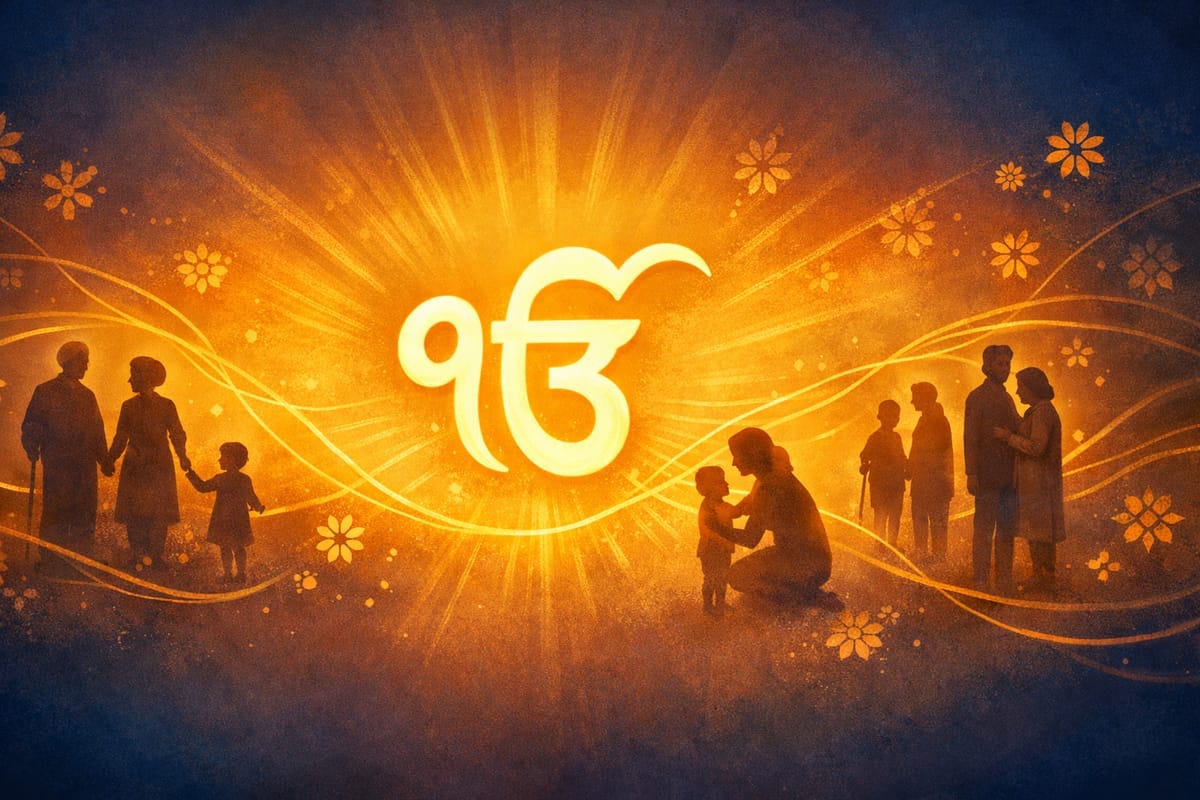
Every February 14th, the world pauses to celebrate love. Shop windows fill with red hearts, children exchange cards at school, and social media overflows with declarations of affection.
As Sikh parents, we might wonder — does this day have anything to do with us?
Here's the thing: love isn't just a Valentine's Day theme. It's the very foundation of Sikhi. The Guru Granth Sahib Ji is, at its core, a love letter — from the Creator to creation, from the soul-bride to the Divine Beloved, from humanity to one another. If any tradition has something profound to say about love, it's ours.
So instead of dismissing February 14th, let's use it as a moment to reflect. What does true love look like through the lens of Gurbani? And how can we cultivate it in our homes, in our children, and in our daily lives?
The Guru's Love for Humanity
Guru Nanak Dev Ji didn't just talk about love. He walked it — literally. He traversed thousands of miles across South Asia, Central Asia, the Middle East, and beyond. Not to conquer or convert, but to connect. To sit with people of every faith, every caste, every station in life, and remind them of one truth: we all belong to One Creator.
This is love without conditions. Love without borders. Love that sees the Divine in every face.
Guru Arjan Dev Ji, the fifth Guru, captured this spirit beautifully:
ਨਾ ਕੋ ਬੈਰੀ ਨਹੀ ਬਿਗਾਨਾ ਸਗਲ ਸੰਗਿ ਹਮ ਕਉ ਬਨਿ ਆਈ ॥
Naa ko bairee nahee bigaanaa sagal sang ham kau ban aaee.
No one is my enemy, and no one is a stranger. I get along with everyone.
— Guru Arjan Dev Ji, Sri Guru Granth Sahib Ji, Ang 1299
Pause on that for a moment. These words were composed by the same Guru who endured unimaginable torture — seated on a burning hot plate, scalding sand poured over his body — for refusing to compromise his principles. Even in that suffering, there was no hatred. Only love. Only acceptance of Hukam.
This is the standard our Gurus set. Not the fleeting romance of a greeting card, but a love so vast it holds even your persecutors within it.
Love as the Path to the Divine
In Gurbani, love isn't just an emotion. It's a spiritual practice. It's the path itself.
Sri Guru Granth Sahib Ji is rich with the imagery of the soul-bride yearning for her Divine Husband. This isn't mere poetic metaphor — it describes the deepest relationship any of us can experience: the bond between the soul (aatma) and the Creator (Paramaatma).
ਹੰਉ ਕੁਰਬਾਨੈ ਜਾਉ ਮਿਹਰਵਾਨਾ ਹੰਉ ਕੁਰਬਾਨੈ ਜਾਉ ॥
Hau kurbaanai jaau miharvaanaa hau kurbaanai jaau.
I am a sacrifice, O Merciful Lord; I am a sacrifice to You.
— Guru Nanak Dev Ji, Sri Guru Granth Sahib Ji, Ang 722
This is what true love sounds like in Gurbani — complete surrender, total devotion, a willingness to give everything. Not because it's demanded, but because when you truly love, giving yourself is the only response that makes sense.
And love in Sikhi is never passive. Guru Nanak Dev Ji reminds us:
ਸਚਹੁ ਓਰੈ ਸਭੁ ਕੋ ਉਪਰਿ ਸਚੁ ਆਚਾਰੁ ॥
Sachahu orai sabh ko upar sach aachaar.
Truth is above everything; but higher still is truthful living.
— Guru Nanak Dev Ji, Sri Guru Granth Sahib Ji, Ang 62
Love expressed through action. Through seva. Through how you treat the person standing right in front of you. That's the Sikh way.
Guru Gobind Singh Ji: Love Beyond Measure
If you ever want to understand what love looks like when tested to its absolute limit, look no further than the life of Guru Gobind Singh Ji.
His father, Guru Tegh Bahadur Ji — the ninth Guru — gave his life to protect the religious freedom of Kashmiri Pandits, people whose faith was not his own. This ultimate sacrifice earned Guru Tegh Bahadur Ji the title Shrisht di Chaadar — the Shield of Universe.
Then Guru Gobind Singh Ji sacrificed his four Sahibzaade: Baba Ajit Singh Ji and Baba Jujhar Singh Ji fell fighting valiantly at the Battle of Chamkaur, while Baba Zorawar Singh Ji and Baba Fateh Singh Ji — just nine and six years old — were bricked alive at Sirhind for refusing to renounce their faith. His mother, Mata Gujri Ji, also gave her life.
He gave everything. And what did he declare?
ਖ਼ਾਲਸਾ ਮੇਰੋ ਰੂਪ ਹੈ ਖ਼ਾਸ ॥ ਖ਼ਾਲਸੇ ਮਹਿ ਹੌ ਕਰੌ ਨਿਵਾਸ ॥
Khalsa mero roop hai khaas. Khalse meh hau karau nivaas.
The Khalsa is my own special form. Within the Khalsa, I dwell.
— Guru Gobind Singh Ji
He lost his biological family and declared the entire Khalsa — the community of the faithful — to be his family. This is love so expansive, so selfless, that it rewrites what family itself means.
When we talk about love on Valentine's Day, this is the benchmark. Not chocolates and flowers — though those are lovely too — but the courage to love so deeply that you're willing to sacrifice everything for what's right.
What Gurbani Teaches Us About Cultivating Love
So how do we, as busy parents juggling school drop-offs, grocery runs, and work deadlines, actually cultivate this kind of love? Gurbani gives us a clear, practical roadmap.
1. Start with Naam — Remembering the Creator
Love begins with connection. And connection to the Divine begins with Naam Simran — the practice of remembering and meditating on Waheguru's Name.
ਪ੍ਰਭ ਕਾ ਸਿਮਰਨੁ ਸਭ ਤੇ ਊਚਾ ॥
Prabh kaa simran sabh te oochaa.
The remembrance of God is the highest and most exalted of all.
— Guru Arjan Dev Ji, Sri Guru Granth Sahib Ji, Ang 263
You don't need hours of uninterrupted meditation. Even a few minutes of Naam in the morning — whispered while making breakfast or driving to work — begins to shift something inside you. It softens the heart. It creates space for love.
2. See the Divine in Everyone
True love in Sikhi isn't reserved for those who look like us, think like us, or worship like us. It extends to everyone — because everyone carries the same Divine Light.
ਸਭੈ ਘਟ ਰਾਮੁ ਬੋਲੈ ਰਾਮਾ ਬੋਲੈ ॥
Sabhai ghat Raam bolai Raamaa bolai.
The Lord speaks through every heart; the Lord speaks through all.
— Bhagat Namdev Ji, Sri Guru Granth Sahib Ji, Ang 988
The next time you're frustrated with someone — a colleague, a neighbour, even your own child in the middle of a meltdown — pause and remember: Waheguru lives in them too. That shift in perspective is love in action.
3. Practise Seva — Selfless Service
Love without action is incomplete. In Sikhi, love finds its truest expression through seva — serving others without expectation. Whether it's volunteering at the langar hall, helping a neighbour, or simply being fully present with your child after a long day, seva transforms love from an idea into a lived reality.
ਵਿਚਿ ਦੁਨੀਆ ਸੇਵ ਕਮਾਈਐ ॥ ਤਾ ਦਰਗਹ ਬੈਸਣੁ ਪਾਈਐ ॥
Vich duneeaa sev kamaaeeai. Taa dargah baisan paaeeai.
In the midst of this world, do seva, and you shall be given a place of honour in the Court of the Lord.
— Guru Nanak Dev Ji, Sri Guru Granth Sahib Ji, Ang 26
4. Build Love in Your Home
Gurbani reminds us that the family is sacred. The Anand Karaj — the Sikh marriage ceremony — isn't about two people finding romance. It's about two souls walking together toward the Divine, supporting each other on the spiritual journey.
The love we model in our homes is the love our children will carry into the world. When they see us doing Paath together, serving others, speaking kindly, forgiving quickly — they learn what love actually looks like. Not from a movie or a social media post. From us.
5. Forgive Freely
Perhaps the most radical expression of love in Gurbani is forgiveness. Not just for small slights, but for deep wounds.
ਫਰੀਦਾ ਬੁਰੇ ਦਾ ਭਲਾ ਕਰਿ ਗੁਸਾ ਮਨਿ ਨ ਹਢਾਇ ॥
Fareedaa bure daa bhalaa kar gusaa man na hadhaai.
Fareed, answer evil with goodness; do not fill your mind with anger.
— Baba Sheikh Fareed Ji, Sri Guru Granth Sahib Ji, Ang 1381
Baba Sheikh Fareed Ji's words, honoured within the Sri Guru Granth Sahib alongside our Gurus' Bani, remind us that love is strongest when it responds to darkness with light.
A Valentine's Day Reflection for Sikh Families
This Valentine's Day, instead of letting the day slip by as just another commercial holiday, consider making it a moment of reflection with your family.
Talk to your children about what love means in Sikhi. Tell them the sakhi of Guru Nanak Dev Ji sitting with the poor in Saidpur instead of dining with the wealthy Malik Bhago — because true love always chooses the forgotten. Tell them about the Sahibzaade, whose love for their faith was stronger than the walls that entombed them. Tell them about the langar, where love is served warm in every bowl of daal.
Ask them: Who did you show love to today? Who could you show love to tomorrow?
Because ultimately, Valentine's Day is an invitation — and Gurbani gives us the most beautiful response.
Love isn't just something we feel. It's something we do. It's something we become.
ਜਿਨੀ ਨਾਮੁ ਧਿਆਇਆ ਗਏ ਮਸਕਤਿ ਘਾਲਿ ॥ ਨਾਨਕ ਤੇ ਮੁਖ ਉਜਲੇ ਕੇਤੀ ਛੁਟੀ ਨਾਲਿ ॥
Jinee Naam dhiaaiaa gae masakat ghaal. Naanak te mukh ujale ketee chhutee naal.
Those who have meditated on the Naam with single-minded devotion — their faces are radiant, O Nanak, and many others are saved along with them.
— Guru Nanak Dev Ji, Sri Guru Granth Sahib Ji, Ang 8 (Japji Sahib)
This is love's ultimate promise in Sikhi: when you cultivate true love — for Waheguru, for humanity, for truth — your light doesn't just illuminate your own path. It lights the way for everyone around you.
Happy Valentine's Day. Now go love like a Sikh.
ਵਾਹਿਗੁਰੂ ਜੀ ਕਾ ਖ਼ਾਲਸਾ, ਵਾਹਿਗੁਰੂ ਜੀ ਕੀ ਫ਼ਤਹਿ ॥
Related Resources
- Raising Children with the Wisdom of Japji Sahib — Ten principles from Japji Sahib for building a loving family
- How to Be a Volunteer: The Art of Selfless Service — Practise love through seva
- The Light of Truth: The Life of Guru Nanak Dev Ji — Share the story of Guru Nanak's boundless compassion with your children