Why Bother Being Sikh? A Parent's Guide to Raising a Sikh Child in the Diaspora
A heartfelt guide for parents navigating identity, bullying, and assimilation — and why Sikhi has never been more relevant for raising resilient, purposeful children in the diaspora.
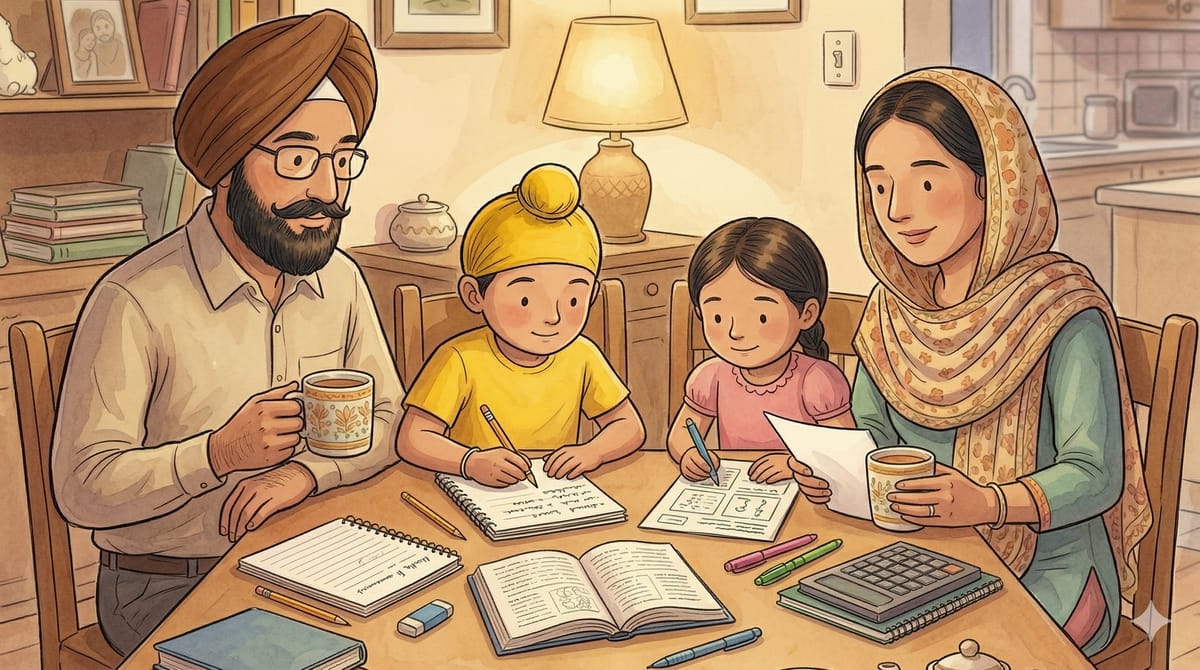
The Question Nobody Wants to Ask Out Loud
It might happen at the breakfast table before school. Or in the car after Gurdwara. Maybe it happens quietly, inside a child's heart, never spoken aloud.
"Why do I have to be different?"
"Why can't I just cut my hair and fit in?"
"What's the point of being Sikh when nobody even knows what that means?"
If your child has asked you some version of this question — or if you've secretly asked it yourself — you are not alone. Across Canada, the United States, the United Kingdom, Australia, and Europe, Sikh parents are wrestling with what it means to raise children in a 500-year-old faith in a world that often doesn't understand it, sometimes fears it, and occasionally punishes you for it.
This article is for you — the parent who doesn't know what to say when your child comes home crying, who lies awake wondering whether holding onto Sikhi is making your child's life harder. It's for any mother or father who has ever questioned whether the faith they love is still worth passing on.
The honest answer? It has never been more worth it. And here's why.
The Real World Our Kids Are Growing Up In
Let's not pretend the challenges aren't real. They are, and they are backed by hard data.
Bullying That Won't Quit
In 2024, the Sikh Coalition published its landmark study, "Where Are You Really From?" — the most comprehensive examination of Sikh students' school experiences ever conducted in the United States. Based on surveys from over 2,000 Sikh students aged 9 to 18, the findings were sobering. Roughly 78 percent of Sikh students reported experiencing at least one incident that qualifies as bullying at school. Among boys who wear dastaars or patkas, 77 percent reported being bullied, and the data showed these boys face higher rates of physical violence compared to their peers.
Perhaps most heartbreaking: nearly half of the students surveyed said they had almost never reported a bullying incident, and 63 percent said that even when bullying happened right in front of school staff, nothing was done. Eleven percent of Sikh students reported being bullied by the very teachers and staff who were supposed to protect them.
These numbers aren't just American. Sikh children across the Western diaspora — in the UK, in Canada, in Australia — face similar patterns of teasing, harassment, and violence tied to their visible identity.
Mistaken Identity That Isn't Really "Mistaken" Anymore
After September 11, 2001, Sikhs became targets of hate because people confused the dastaar with the imagery of terrorism. Sikh boys were called names rooted in ignorance. Sikh men were attacked on the street. The Oak Creek Gurdwara shooting in 2012 killed six worshippers.
More than two decades later, the problem has not gone away. Visible Sikh identity — the dastaar, the kesh, the kara — continues to attract suspicion at airports, in workplaces, and on streets across the Western world. Turbaned Sikhs face disproportionate profiling at airport security checkpoints in both Europe and North America. In some European countries, laws banning religious symbols in public spaces have specifically affected Sikhs and their right to wear their articles of faith.
What was once described as a case of "mistaken identity" has evolved into something deeper — a systemic challenge to visible religious difference in societies that claim to value diversity.
The Pull of Assimilation
Beyond the overt discrimination, there is a quieter and perhaps more powerful force at work: the relentless pull of assimilation. Younger generations in the diaspora experience what researchers describe as an identity crisis, caught between the traditional values of their heritage and the liberal norms of the societies they've grown up in. The pressure to blend in — to cut your hair, to drop the visible markers of faith, to become culturally invisible — is enormous, and it comes from everywhere: from peer groups, from media, from career pressures, and sometimes even from within the community itself.
Many parents have lived this tension in their own lives. Some have made the painful choice to let go of visible identity, hoping it would make life easier for their children.
So... Why Bother?
Given all of this — the bullying, the discrimination, the pressure, the exhaustion of constantly explaining yourself — why would anyone choose to remain visibly, proudly Sikh?
Because Sikhi isn't a burden you carry. It's an anchor that holds you steady when the world tries to knock you off your feet.
Let's talk about what Sikhi actually offers — not as a history lesson, but as a living, breathing framework for navigating exactly the kind of world our children are growing up in.
Reason 1: You Belong to Something Bigger Than Yourself
In a world that can feel isolating — where social media breeds comparison and loneliness, where children are constantly sorted into hierarchies of popularity, appearance, and status — Sikhi offers something radical: the knowledge that you are connected to every living being through one shared Creator.
Guru Arjan Dev Ji wrote in Raag Kaanraa:
ਨਾ ਕੋ ਬੈਰੀ ਨਹੀ ਬਿਗਾਨਾ ਸਗਲ ਸੰਗਿ ਹਮ ਕਉ ਬਨਿ ਆਈ ॥
No one is my enemy, and no one is a stranger to me. I am a friend to all. — Guru Granth Sahib Ji, Ang 1299
And later in the same Shabad:
ਸਭ ਮਹਿ ਰਵਿ ਰਹਿਆ ਪ੍ਰਭੁ ਏਕੈ ਪੇਖਿ ਪੇਖਿ ਨਾਨਕ ਬਿਗਸਾਈ ॥
The One Creator pervades all. Seeing this, Nanak blossoms with joy. — Guru Granth Sahib Ji, Ang 1299
This isn't an abstract theological idea. It's a way of seeing the world. When a Sikh child understands that the same Divine light lives in every person — in the bully and the bullied, in the stranger and the friend — they have something that no amount of fitting in can provide: an unshakeable sense of belonging to the entire human family.
Guru Ram Das Ji puts it beautifully:
ਹਰਿ ਹਰਿ ਰੂਪੁ ਸਭ ਜੋਤਿ ਸਬਾਈ ਹਰਿ ਨਿਕਟਿ ਵਸੈ ਹਰਿ ਕੋਲੀ ॥
The beauty and light of the Lord is contained in all. God abides near and close to everyone. — Guru Granth Sahib Ji, Ang 168
What to tell your child: "You are never truly alone. The same light that shines in you shines in every person you will ever meet. That is what it means to be a Sikh — to see God in everyone, including yourself."
Reason 2: Your Identity Is Your Superpower, Not Your Weakness
Here is what the world won't tell your child, but Sikhi will: being different is not a defect. It is a gift.
The dastaar, the kesh, the kara, the kirpan, the kachera, the kangha — these aren't relics of a forgotten age. They are daily, wearable acts of courage. Every single morning, a Sikh who ties a dastaar is making a conscious choice to stand for something. That takes more strength than blending in ever will.
Bhagat Kabir Ji writes:
ਮਾਟੀ ਏਕ ਭੇਖ ਧਰਿ ਨਾਨਾ ਤਾ ਮਹਿ ਬ੍ਰਹਮੁ ਪਛਾਨਾ ॥
The clay is one, but it has taken on countless forms. In all of them, I recognise the One Creator. — Guru Granth Sahib Ji, Ang 480
We are all made of the same clay. But Sikhi asks us to show up as who we are — not to hide, not to shrink, not to dissolve into the background.
And Guru Nanak Dev Ji dismantled the very idea of social hierarchy five centuries ago:
ਜਾਤਿ ਬਰਨ ਕੁਲ ਸਹਸਾ ਚੂਕਾ ਗੁਰਮਤਿ ਸਬਦਿ ਬੀਚਾਰੀ ॥
Contemplating the Shabad through the Guru's wisdom, caste, race, lineage, and doubt are all erased. — Guru Granth Sahib Ji, Ang 1198
Think about that. Five hundred years before the modern world began to talk about equality, anti-racism, and inclusion, the Sikh Gurus were already living it. When your child walks into a classroom wearing a patka, they are carrying the legacy of a faith that said "all people are equal" before almost anyone else on the planet had the courage to say it.
What to tell your child: "Your dastaar doesn't make you weird. It makes you brave. Not everyone has the courage to stand for what they believe in every single day. You do."
Reason 3: The World Desperately Needs What Sikhi Teaches
Look around. Anxiety, loneliness, and mental health struggles among children and teenagers are at record levels worldwide. Young people are hungry for meaning, for purpose, for a sense that their life matters. Sikhi has been addressing exactly these needs for half a millennium.
A Framework for Inner Peace
Guru Arjan Dev Ji offers what could be the most relevant verse for our anxious modern age:
ਚਿੰਤ ਅਚਿੰਤਾ ਸੋਚ ਅਸੋਚਾ ਸੋਗੁ ਲੋਭੁ ਮੋਹੁ ਥਾਕਾ ॥
All anxieties are gone, all sorrows removed — grief, greed, and worldly attachment have fallen away. — Guru Granth Sahib Ji, Ang 671
Sikhi doesn't promise a life without difficulty. What it offers is something better: a practice — Naam Simran, the daily remembrance of the Divine — that anchors you through whatever life throws at you. This isn't passive wishful thinking. It's active spiritual training, and modern research increasingly confirms what the Gurus taught: that regular meditative and contemplative practice strengthens emotional resilience, reduces anxiety, and builds a deeper sense of self.
A Call to Serve
Guru Nanak Dev Ji didn't just teach people to meditate and be peaceful. He sent them out into the world to do something about it.
ਬਰਤੀ ਬਰਤ ਰਹੈ ਨਿਹਕਾਮ ॥
The true fast is the one where you remain in selfless service. — Guru Granth Sahib Ji, Ang 840
Langar — the free community kitchen that has been feeding people regardless of background for over five centuries — isn't just a nice tradition. It is a radical act of justice. It says: in this space, the CEO and the homeless person sit on the same floor. The child who gets bullied at school and the child who does the bullying eat the same food, side by side.
In a world drowning in inequality, Sikhi offers children a tangible, concrete way to make a difference. Not through social media posts or virtue signalling, but through actual, physical acts of service — Seva — that change real lives.
A Voice for Justice
Guru Nanak Dev Ji spoke up for women's equality in an era when such a stance was unimaginable:
ਭੰਡਿ ਜੰਮੀਐ ਭੰਡਿ ਨਿੰਮੀਐ ਭੰਡਿ ਮੰਗਣੁ ਵੀਆਹੁ ॥
From woman, man is born; within woman, man is conceived; to woman he is engaged and married.
ਸੋ ਕਿਉ ਮੰਦਾ ਆਖੀਐ ਜਿਤੁ ਜੰਮਹਿ ਰਾਜਾਨ ॥
Why call her inferior, from whom kings are born? — Guru Granth Sahib Ji, Ang 473
This is what makes Sikhi extraordinary: it was progressive before the word existed. Gender equality, racial equality, economic justice, environmental stewardship, opposition to superstition — these aren't modern additions to the faith. They are its very foundation.
What to tell your child: "The world is struggling with loneliness, injustice, and division. Sikhi gave you a toolkit to help fix those things — five hundred years before the rest of the world even recognised the problems."
Reason 4: Sikhi Gives You a Compass When the World Gives You Chaos
Young people today are bombarded with noise — social media algorithms, influencer culture, peer pressure, political polarisation. How does a child know what's right when everyone is shouting different things?
Sikhi provides a compass. Not a rigid set of rules, but a living relationship with the Guru's wisdom — the Guru Granth Sahib Ji — that helps you navigate real-world dilemmas with clarity and grace.
Guru Nanak Dev Ji asks:
ਗੁਰ ਤੇ ਸਮਝ ਪੜੀ ਕਿਆ ਡਰਣਾ ॥
Why should one fear, when understanding comes from the Guru? — Guru Granth Sahib Ji, Ang 1022
And Guru Arjan Dev Ji teaches that when you ground yourself in the Shabad, pain and fear lose their grip:
ਨਾਮ ਰੰਗ ਸਹਜ ਰਸ ਮਾਣੇ ਫਿਰਿ ਦੂਖੁ ਨ ਲਾਗਿਓ ॥
Immersed in the love of Naam, one enjoys supreme bliss, and pain does not touch them again. — Guru Granth Sahib Ji, Ang 215
This is not escapism. This is resilience. Sikhi doesn't teach children to run from difficulty; it teaches them to face it from a place of inner stability. When a child knows who they are and what they stand for, the noise of the world becomes just that — noise.
What to tell your child: "You don't need the world to tell you who you are. The Guru already did."
Reason 5: You Are Part of a Living, Global Community
Being Sikh means you are never without a family. There are estimated to be over 25 million Sikhs worldwide. Walk into any Gurdwara, in any country on earth, and you will be fed, welcomed, and embraced — no questions asked, no membership required, no fee at the door.
This is not a small thing. In a world where communities are fragmenting, where people feel disconnected and adrift, Sikhi offers something remarkable: an instant, global network of people who share your values, who will help you when you're in trouble, and who will celebrate with you when times are good.
What to tell your child: "Wherever you go in the world, there will be a door open for you. That's what Sangat means — you always have a family."
Reason 6: This Life Is Precious — Don't Waste It
Of all the teachings in Gurbani, perhaps none speaks more urgently to the modern condition than this: human life is rare and precious. Don't let it slip away chasing things that don't matter.
Guru Arjan Dev Ji writes:
ਅਨਿਕ ਜਨਮ ਭ੍ਰਮਤੌ ਹੀ ਆਇਓ ਮਾਨਸ ਜਨਮੁ ਦੁਲਭਾਹੀ ॥
After wandering through countless lives, you have obtained this precious human birth. — Guru Granth Sahib Ji, Ang 1207
And Guru Tegh Bahadur Ji offers a piercing reflection:
ਰਤਨ ਜਨਮੁ ਅਪਨੋ ਤੈ ਹਾਰਿਓ ਗੋਬਿੰਦ ਗਤਿ ਨਹੀ ਜਾਨੀ ॥
You have lost the jewel of this human life, and have not known the path of the Creator. — Guru Granth Sahib Ji, Ang 220
In a culture that tells children their worth comes from grades, followers, likes, and brand-name clothes, Sikhi says something radically different: your worth comes from your connection to the Divine and your service to the world. Everything else is temporary. That foundation — when a young person truly understands it — is unshakeable.
What to tell your child: "This life is a gift. Sikhi helps you use it for something that matters — not just for yourself, but for everyone."
A Note to Parents: You Don't Have to Have All the Answers
If you're reading this and thinking, "But I'm not a perfect Sikh myself — how can I teach my kids?", take a breath. Nobody is asking you to be perfect.
Guru Amar Das Ji reminds us:
ਇਹ ਜਗਤੁ ਭਰਮਿ ਭੁਲਾਇਆ ਵਿਰਲਾ ਬੂਝੈ ਕੋਇ ॥
This whole world is led astray by doubt. Only a rare one truly understands. — Guru Granth Sahib Ji, Ang 558
You don't need to have every answer. What your child needs to see is that you are also walking this path — that you are also seeking, learning, and growing in your relationship with Sikhi. Faith isn't about having it all figured out. It's about continuing to show up.
Read a Shabad together before bed. Listen to Kirtan in the car. Talk about what Guru Nanak would do when your child faces a hard choice at school. Make Sikhi a living conversation in your home, not just a Sunday obligation.
And when your child asks, "Why do I have to be different?", you can say:
"You don't have to be. You get to be. And the world is better for it."
What Sikhi Offers the Modern World — A Summary for Families
For children and parents navigating the realities of diaspora life, here is what Sikhi provides that the modern world cannot:
When the world says "fit in," Sikhi says: stand up for who you are — your identity is a gift, not a burden.
When the world says "look out for yourself," Sikhi says: serve others — Seva is the highest expression of faith.
When the world breeds anxiety, Sikhi offers Naam Simran — a daily practice of inner peace that strengthens you from the inside out.
When the world divides people by race, caste, gender, and wealth, Sikhi says: there is One Creator and all are equal in that light.
When the world makes you feel small, Sikhi reminds you: this human life is precious, rare, and full of purpose.
When the world feels lonely, Sikhi gives you Sangat — a global family that will always have a place for you.
A Final Word — From Guru Arjan Dev Ji
If there is one Shabad to carry with you, let it be this one from Raag Kaanraa. Read it out loud to your children. Let it sink in.
ਬਿਸਰਿ ਗਈ ਸਭ ਤਾਤਿ ਪਰਾਈ ॥I have forgotten all jealousy of others,
ਜਬ ਤੇ ਸਾਧਸੰਗਤਿ ਮੋਹਿ ਪਾਈ ॥since the time I found the company of the holy.
ਨਾ ਕੋ ਬੈਰੀ ਨਹੀ ਬਿਗਾਨਾ ਸਗਲ ਸੰਗਿ ਹਮ ਕਉ ਬਨਿ ਆਈ ॥No one is my enemy, and no one is a stranger. I am a friend to all.
ਜੋ ਪ੍ਰਭ ਕੀਨੋ ਸੋ ਭਲ ਮਾਨਿਓ ਏਹ ਸੁਮਤਿ ਸਾਧੂ ਤੇ ਪਾਈ ॥Whatever the Creator does, I accept as good. This wisdom I have received from the holy.
ਸਭ ਮਹਿ ਰਵਿ ਰਹਿਆ ਪ੍ਰਭੁ ਏਕੈ ਪੇਖਿ ਪੇਖਿ ਨਾਨਕ ਬਿਗਸਾਈ ॥The One Creator pervades all. Seeing this, Nanak blossoms with joy.
— Guru Granth Sahib Ji, Ang 1299
This is why you bother.
Not because it's easy. Because it fills your life with light.