ਪਹਿਲਾਂ ਲੰਗਰ
First the Langar
Bilingual Punjabi + English From Sikh history: Guru Amar Das Ji and Emperor Akbar at Goindwal All ages
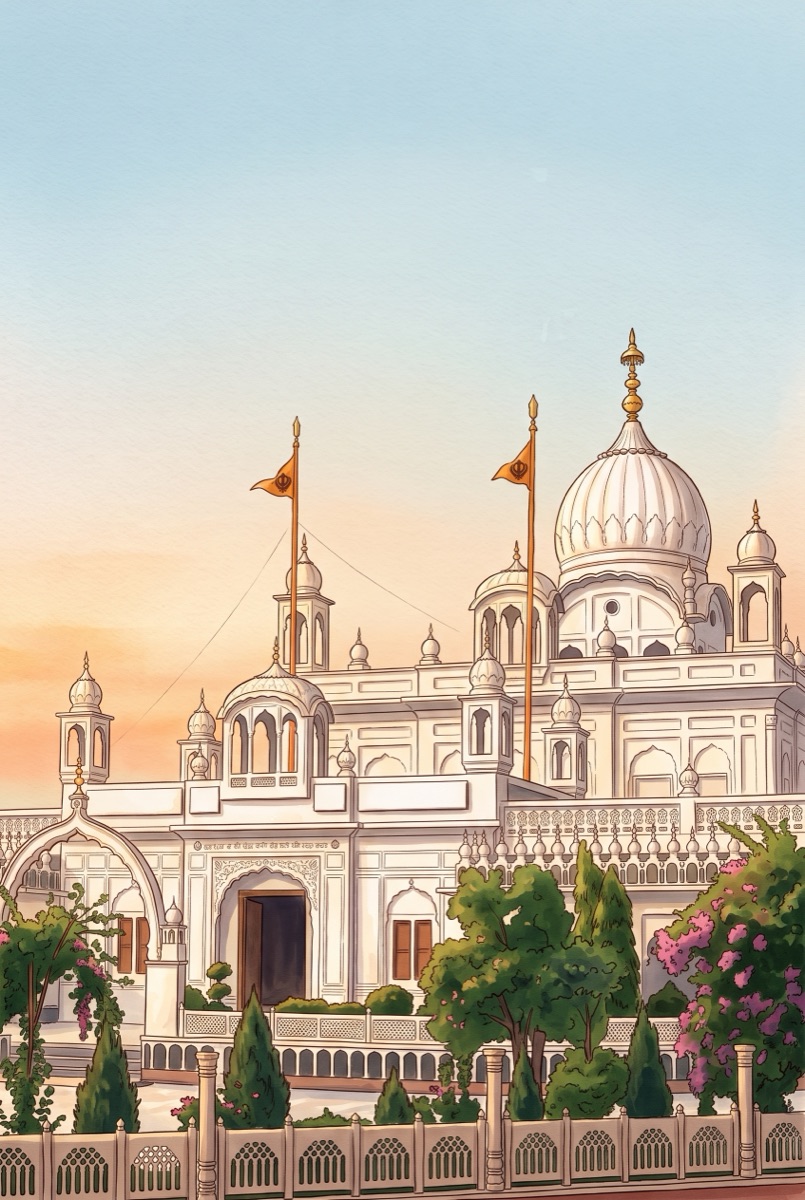
ਬਿਆਸ ਦਰਿਆ ਦੇ ਕੰਢੇ ਕਦੇ ਸਿਰਫ਼ ਇੱਕ ਪੱਤਣ ਹੁੰਦਾ ਸੀ, ਜਿੱਥੋਂ ਬੇੜੀਆਂ ਲੋਕਾਂ ਨੂੰ ਪਾਰ ਲੰਘਾਉਂਦੀਆਂ ਸਨ। ਫਿਰ ਗੁਰੂ ਅਮਰਦਾਸ ਜੀ ਉੱਥੇ ਆ ਕੇ ਵੱਸੇ, ਤੇ ਉਹਨਾਂ ਦੇ ਦੁਆਲੇ ਇੱਕ ਨਗਰ ਵੱਸ ਗਿਆ। ਉਸ ਨਗਰ ਦਾ ਨਾਂ ਸੀ ਗੋਇੰਦਵਾਲ, ਤੇ ਦਰਿਆ ਦਿਨ-ਰਾਤ ਉਹਨਾਂ ਦੇ ਕੋਲੋਂ ਵਗਦਾ ਰਹਿੰਦਾ।
On the bank of the river Beas there was once only a ferry crossing, a place where boats carried people from one side to the other. Then Guru Amar Das Ji came to live there, and around Him a town grew up. It was called Goindwal, and the river flowed past it, day and night.
ਦੂਰੋਂ-ਨੇੜਿਓਂ ਹਜ਼ਾਰਾਂ ਲੋਕ ਗੁਰੂ ਜੀ ਦੇ ਦਰਸ਼ਨਾਂ ਲਈ ਗੋਇੰਦਵਾਲ ਆਉਂਦੇ, ਗੁਰੂ ਜੀ ਦੇ ਬਚਨ ਸੁਣਨ ਤੇ ਕੁਝ ਸਿੱਖਣ ਲਈ।
From near and far, thousands of people came to Goindwal for Guru Ji's darshan, to listen and to learn.
ਲੰਗਰ ਦੀ ਮਰਯਾਦਾ ਗੁਰੂ ਨਾਨਕ ਦੇਵ ਜੀ ਨੇ ਤੋਰੀ ਸੀ, ਤੇ ਗੁਰੂ ਅੰਗਦ ਦੇਵ ਜੀ ਦੇ ਦਰਬਾਰ ਵਿੱਚ ਵੀ ਇਹ ਚੱਲਦੀ ਰਹੀ। ਗੋਇੰਦਵਾਲ ਵਿੱਚ ਵੀ ਲੰਗਰ ਚੱਲਦਾ ਸੀ। ਲੰਗਰ ਦੀ ਸੇਵਾ ਵਿੱਚ ਹਰ ਕੋਈ ਸ਼ਾਮਲ ਹੋ ਸਕਦਾ ਸੀ, ਭਾਵੇਂ ਉਹ ਕਿਸੇ ਵੀ ਜਾਤ ਜਾਂ ਮਜ਼ਹਬ ਦਾ ਹੋਵੇ, ਅਤੇ ਖਾਣਾ ਸਭ ਲਈ ਇੱਕੋ ਹੁੰਦਾ।
Guru Nanak Dev Ji had begun the langar, and in Guru Angad Dev Ji's darbar it had carried on. At Goindwal the langar went on too. Anyone could do seva in it, whatever their caste and whatever their faith, and the food was the same for everyone.
ਪਰ ਕੁਝ ਲੋਕ ਆਉਂਦੇ, ਸੰਗਤ ਵਿੱਚ ਹਾਜ਼ਰੀ ਭਰਦੇ, ਤੇ ਫਿਰ ਪੰਗਤ ਵਿੱਚ ਬੈਠਣ ਦੀ ਥਾਂ ਮਲਕੜੇ ਜਿਹੇ ਨਿਕਲ ਜਾਂਦੇ। ਉਹਨਾਂ ਦੇ ਮਨ ਵਿੱਚ ਅਜੇ ਵੀ ਇਹੋ ਗੱਲ ਬੈਠੀ ਸੀ ਕਿ ਕੋਈ ਉੱਚਾ ਹੈ ਤੇ ਕੋਈ ਨੀਵਾਂ।
But some people came, sat in the sangat, and then slipped quietly away instead of sitting in the pangat. In their minds, some people were still higher and some were lower.
ਤਾਂ ਗੁਰੂ ਅਮਰਦਾਸ ਜੀ ਨੇ ਇੱਕ ਨਵੀਂ ਮਰਯਾਦਾ ਤੋਰੀ। ਉਹਨਾਂ ਨੇ ਐਲਾਨ ਕਰ ਦਿੱਤਾ ਕਿ ਜੋ ਵੀ ਗੁਰੂ ਦੇ ਦਰਸ਼ਨਾਂ ਨੂੰ ਆਵੇ, ਉਹ ਪਹਿਲਾਂ ਪੰਗਤ ਵਿੱਚ ਬੈਠ ਕੇ ਲੰਗਰ ਵਿੱਚੋਂ ਪਰਸ਼ਾਦਾ ਛਕੇ। ਫਿਰ ਹੀ ਉਹ ਸੰਗਤ ਵਿੱਚ ਆਵੇ। ਪਹਿਲੇ ਪੰਗਤ, ਪਾਛੈ ਸੰਗਤ।
So Guru Amar Das Ji began something new. He made it known to everyone: whoever comes to see the Guru first sits in the pangat and eats parshada from the langar. Only then do they come into the sangat. First the pangat, then the sangat.
ਸਾਰੇ ਇੱਕੋ ਪੰਗਤ ਵਿੱਚ, ਇੱਕੋ ਤਰ੍ਹਾਂ ਬੈਠਦੇ, ਤੇ ਇੱਕੋ ਖਾਣਾ ਛਕਦੇ। ਨਾ ਕੋਈ ਉੱਚਾ, ਨਾ ਕੋਈ ਨੀਵਾਂ। ਕੁਝ ਲੋਕਾਂ ਨੇ ਆਖਿਆ, "ਚੱਲੋ, ਪੰਗਤ ਵਿੱਚ ਬੈਠ ਕੇ ਛਕ ਲੈਂਦੇ ਹਾਂ, ਪਰ ਵੱਖ-ਵੱਖ ਜਾਤਾਂ ਦੀਆਂ ਵੱਖ-ਵੱਖ ਪੰਗਤਾਂ ਲਾ ਦਿਓ।" ਗੁਰੂ ਜੀ ਨੇ ਇਹ ਗੱਲ ਨਾ ਮੰਨੀ। ਇਸ ਉੱਤੇ ਗੁਰੂ ਜੀ ਪਰਬਤ ਵਾਂਗ ਅਡੋਲ ਰਹੇ।
Everyone sat in one pangat, in the same way, and ate the same food. No one was higher, and no one was lower. Some people said, "All right, we will eat in the pangat, but give each caste a separate pangat." Guru Ji would not allow it. On this, He stood as firm as a mountain.
ਹਿੰਦੁਸਤਾਨ ਦੇ ਬਾਦਸ਼ਾਹ ਅਕਬਰ ਨੇ ਗੁਰੂ ਅਮਰਦਾਸ ਜੀ ਬਾਰੇ ਬਹੁਤ ਕੁਝ ਸੁਣਿਆ ਹੋਇਆ ਸੀ। ਉਸ ਨੇ ਮਨ ਬਣਾ ਲਿਆ ਕਿ ਉਹ ਗੋਇੰਦਵਾਲ ਜਾ ਕੇ ਗੁਰੂ ਜੀ ਦੇ ਦਰਸ਼ਨ ਕਰੇਗਾ।
Akbar, the emperor of Hindustan, had heard a great deal about Guru Amar Das Ji. He made up his mind to go to Goindwal for Guru Ji's darshan.
ਗੋਇੰਦਵਾਲ ਪਹੁੰਚ ਕੇ ਅਕਬਰ ਪੈਦਲ ਤੁਰ ਕੇ ਗੁਰੂ-ਘਰ ਵੱਲ ਜਾ ਰਿਹਾ ਸੀ। ਸ਼ਾਹੀ ਮੁਲਾਜ਼ਮਾਂ ਨੇ ਉਸ ਦੇ ਰਾਹ ਵਿੱਚ ਰੇਸ਼ਮੀ ਕੱਪੜਾ ਵਿਛਾ ਦਿੱਤਾ। ਅਕਬਰ ਨੇ ਵੇਖਦਿਆਂ ਹੀ ਉਹ ਕੱਪੜਾ ਉਠਵਾ ਦਿੱਤਾ। ਉਸ ਦੇ ਮਨ ਵਿੱਚ ਇਹ ਸੀ ਕਿ ਏਡੇ ਵੱਡੇ ਮਹਾਂਪੁਰਖ ਕੋਲ ਪੂਰੀ ਸ਼ਰਧਾ ਤੇ ਨਿਮਰਤਾ ਨਾਲ ਜਾਣਾ ਚਾਹੀਦਾ ਹੈ।
At Goindwal, Akbar walked on foot towards the Guru's house. His servants spread a length of silk along the path in front of him, for the emperor to walk on. As soon as Akbar saw it, he had it lifted away. To go to someone so great, he felt, you should go with your whole heart, and humbly.
ਪਰ ਗੋਇੰਦਵਾਲ ਦੀ ਮਰਯਾਦਾ ਸਭ ਲਈ ਇੱਕੋ ਜਿਹੀ ਸੀ। ਹੋਰ ਸ਼ਰਧਾਲੂਆਂ ਵਾਂਗ ਬਾਦਸ਼ਾਹ ਲਈ ਵੀ ਪਹਿਲਾਂ ਲੰਗਰ ਦੀ ਪੰਗਤ ਵਿੱਚ ਸਭ ਦੇ ਬਰਾਬਰ ਬੈਠ ਕੇ ਪਰਸ਼ਾਦਾ ਛਕਣਾ ਜ਼ਰੂਰੀ ਸੀ। ਤੇ ਅਕਬਰ ਨੇ ਇਹੋ ਕੀਤਾ। ਉਹ ਆਮ ਲੋਕਾਂ ਨਾਲ ਪੰਗਤ ਵਿੱਚ ਬੈਠਿਆ, ਤੇ ਉਸ ਨੇ ਉਹੀ ਲੰਗਰ ਛਕਿਆ ਜੋ ਸਭ ਨੇ ਛਕਿਆ।
But at Goindwal the rule was the same for everyone. Like every other visitor, the emperor too had to sit first in the pangat of the langar, equal with all, and eat. And that is just what Akbar did. He sat down in the pangat with the ordinary people of the sangat, and ate the same langar as everyone else.
ਹਿੰਦੁਸਤਾਨ ਦਾ ਬਾਦਸ਼ਾਹ ਤੇ ਸੰਗਤ ਦੇ ਆਮ ਲੋਕ, ਇੱਕੋ ਪੰਗਤ ਵਿੱਚ ਨਾਲ-ਨਾਲ ਬੈਠੇ, ਇੱਕੋ ਲੰਗਰ ਛਕ ਰਹੇ ਸਨ। ਪਹਿਲੇ ਪੰਗਤ, ਪਾਛੈ ਸੰਗਤ।
The emperor of Hindustan and the ordinary people of the sangat, side by side in one pangat, eating the same food. Pehle pangat, pachhe sangat.
ਲੰਗਰ ਛਕਣ ਪਿੱਛੋਂ ਅਕਬਰ ਗੁਰੂ ਜੀ ਦੇ ਸਨਮੁਖ ਹੋਇਆ। ਉਸ ਨੇ ਗੁਰੂ ਜੀ ਕੋਲੋਂ ਆਤਮਿਕ ਜੀਵਨ ਬਾਰੇ ਅਨੇਕਾਂ ਸਵਾਲ ਪੁੱਛੇ, ਤੇ ਗੁਰੂ ਜੀ ਦੇ ਉਪਦੇਸ਼ ਨੇ ਉਸ ਦੇ ਮਨ ਉੱਤੇ ਬਹੁਤ ਅਸਰ ਕੀਤਾ। ਪਰ ਸਭ ਤੋਂ ਡੂੰਘਾ ਅਸਰ ਗੁਰੂ ਕੇ ਲੰਗਰ ਦਾ ਹੋਇਆ। ਇੱਥੇ ਸੱਚ-ਮੁੱਚ ਸਾਰੇ ਬਰਾਬਰ ਸਨ। ਲੰਗਰ ਤਿਆਰ ਕਰਨ ਵਿੱਚ ਵੀ ਸਭ ਦਾ ਬਰਾਬਰ ਹੱਥ ਸੀ, ਤੇ ਛਕਣ-ਛਕਾਉਣ ਵਿੱਚ ਵੀ।
After the langar, Akbar came before Guru Ji. He asked Guru Ji many deep questions about the life of the spirit, and Guru Ji's teaching moved him greatly. But what touched his heart most of all was the Guru's langar. Here, everyone really was equal. Everyone had an equal hand in cooking it, and in serving and eating it.
ਅਕਬਰ ਲੰਗਰ ਲਈ ਜਗੀਰ ਦੇਣੀ ਚਾਹੁੰਦਾ ਸੀ। ਪਰ ਗੁਰੂ ਜੀ ਨੇ ਨਾਂਹ ਕਰ ਦਿੱਤੀ ਅਤੇ ਆਖਿਆ, "ਲੰਗਰ ਗੁਰਸਿੱਖਾਂ ਦੇ ਦਸਵੰਧ ਨਾਲ ਹੀ ਚਲਦਾ ਹੈ।" ਭਾਵ ਉਸ ਹਿੱਸੇ ਨਾਲ, ਜੋ ਸਿੱਖ ਆਪਣੀ ਕਮਾਈ ਵਿੱਚੋਂ ਪਿਆਰ ਨਾਲ ਕੱਢਦੇ ਹਨ।
Akbar wanted to give a jagir, a grant of land, for the langar. But Guru Ji would not take it. "The langar runs only on the dasvandh of the Gursikhs," He said: on the share of their own earnings that the Sikhs give with love.
ਇਹ ਵੇਖ ਕੇ ਕਿ ਲੰਗਰ ਸਾਰੇ ਗੁਰਸਿੱਖਾਂ ਦੇ ਦਸਵੰਧ ਨਾਲ ਚੱਲਦਾ ਹੈ, ਤੇ ਗੁਰੂ ਜੀ ਨੇ ਇਸ ਲਈ ਕੋਈ ਜਗੀਰ ਨਹੀਂ ਲਈ, ਅਕਬਰ ਗੁਰੂ-ਘਰ ਤੋਂ ਹੋਰ ਵੀ ਪ੍ਰਭਾਵਿਤ ਹੋਇਆ। ਗੁਰੂ ਜੀ ਨੇ ਉਸ ਨੂੰ ਇਹ ਉਪਦੇਸ਼ ਵੀ ਦਿੱਤਾ ਕਿ ਉਹ ਆਪਣੇ ਰਾਜ ਵਿੱਚ ਸਾਰੀ ਪਰਜਾ ਨਾਲ ਇੱਕੋ ਜਿਹਾ ਵਰਤਾਉ ਕਰੇ, ਭਾਵੇਂ ਕੋਈ ਕਿਸੇ ਵੀ ਧਰਮ ਦਾ ਹੋਵੇ।
Seeing that the langar was carried by the dasvandh of all the Gursikhs, and that Guru Ji would take no jagir for it, Akbar was moved by the Guru's house more than ever. Guru Ji also gave him a teaching to take back with him: in his kingdom, he should treat all his people alike, whatever their faith.
ਗੋਇੰਦਵਾਲ ਦੀ ਪੰਗਤ ਵਿੱਚ ਬੈਠਣ ਵਾਲਾ ਅਕਬਰ ਇਕੱਲਾ ਹਾਕਮ ਨਹੀਂ ਸੀ। ਹਰੀਪੁਰ ਦੇ ਰਾਜੇ, ਰਾਣੀਆਂ ਤੇ ਦਰਬਾਰੀਆਂ ਨੇ ਵੀ ਆਮ ਲੋਕਾਂ ਨਾਲ ਇੱਕੋ ਪੰਗਤ ਵਿੱਚ ਬੈਠ ਕੇ ਲੰਗਰ ਛਕਿਆ।
Akbar was not the only ruler who sat in the pangat at Goindwal. The Raja and Ranis of Haripur and their courtiers also sat in one pangat with the ordinary people, and ate the langar.
ਅੱਜ ਵੀ ਹਰ ਗੁਰਦੁਆਰੇ ਵਿੱਚ ਲੰਗਰ ਹੈ, ਤੇ ਜੋ ਵੀ ਆਵੇ, ਉਹ ਸਭ ਨਾਲ ਪੰਗਤ ਵਿੱਚ ਬੈਠ ਕੇ ਇੱਕੋ ਭੋਜਨ ਛਕਦਾ ਹੈ।
To this day, every gurdwara has its langar, and anyone who comes sits in the pangat with everyone else and eats the same food.
ਅੱਜ ਰਾਤ ਵੀ ਬਿਆਸ ਦਰਿਆ ਹਨੇਰੇ ਵਿੱਚ ਹੌਲੀ-ਹੌਲੀ, ਚੁੱਪ-ਚਾਪ ਗੋਇੰਦਵਾਲ ਦੇ ਕੋਲੋਂ ਵਗ ਰਿਹਾ ਹੈ। ਬਹੁਤ ਸਮਾਂ ਪਹਿਲਾਂ ਉਸੇ ਨਗਰ ਵਿੱਚ ਇੱਕ ਬਾਦਸ਼ਾਹ ਆਮ ਲੋਕਾਂ ਦੀ ਪੰਗਤ ਵਿੱਚ ਬੈਠਾ ਸੀ, ਤੇ ਸਾਰਿਆਂ ਨੇ ਇੱਕੋ ਲੰਗਰ ਵਿੱਚੋਂ ਇੱਕੋ ਖਾਣਾ ਛਕਿਆ ਸੀ, ਤੇ ਦਰਿਆ ਉਹਨਾਂ ਦੇ ਕੋਲੋਂ ਉਵੇਂ ਹੀ ਵਗਦਾ ਰਿਹਾ, ਜਿਵੇਂ ਅੱਜ ਰਾਤ ਵਗ ਰਿਹਾ ਹੈ।
Tonight the river Beas is still flowing past Goindwal, slow and quiet in the dark. Long ago, in that town, an emperor sat down in a pangat of ordinary people, and they all ate the same food from the same langar, while the river flowed on past them, the way it flows tonight.
ਸ਼ਬਦ-ਅਰਥ · Glossary
- ਸਾਖੀ sakhi
- A true story from the lives of the Gurus and Gursikhs, told to teach and inspire.
- ਗੋਇੰਦਵਾਲ Goindwal
- The town on the bank of the river Beas where Guru Amar Das Ji lived. Today it is called Goindwal Sahib.
- ਬਿਆਸ Beas
- A river that flows past Goindwal.
- ਪੱਤਣ pattan
- A ferry crossing: a place on a river where boats carry people across.
- ਦਰਸ਼ਨ darshan
- Seeing and meeting the Guru with love and respect.
- ਲੰਗਰ langar
- Food cooked and served in the Guru's house for everyone, who sit together in the pangat and eat as equals.
- ਪੰਗਤ pangat
- Sitting together, side by side, to eat langar, with no one higher or lower.
- ਸੰਗਤ sangat
- The company of the Guru's Sikhs, who come together to remember Waheguru, listen to kirtan and serve.
- ਪਹਿਲੇ ਪੰਗਤ, ਪਾਛੈ ਸੰਗਤ Pehle pangat, pachhe sangat
- "First the pangat, then the sangat": first eat in the langar with everyone, then come into the Guru's sangat.
- ਪਰਸ਼ਾਦਾ parshada
- Food served in the Guru's langar.
- ਸੇਵਾ seva
- Selfless service, given without wanting anything back.
- ਦਰਬਾਰ darbar
- The Guru's court, where the sangat gathered around Guru Ji.
- ਹਿੰਦੁਸਤਾਨ Hindustan
- The old name for the lands that Emperor Akbar ruled.
- ਜਗੀਰ jagir
- A grant of land, or of the income from villages, given by a ruler.
- ਦਸਵੰਧ dasvandh
- The share (a tenth) of their own earnings that Sikhs give for the Guru's work.
- ਗੁਰਸਿੱਖ Gursikh
- A Sikh of the Guru, who lives by the Guru's teaching.
- ਰਾਜਾ, ਰਾਣੀ raja, rani
- A king and a queen.
- ਹਰੀਪੁਰ Haripur
- A kingdom in the Kangra hills, whose Raja and Ranis ate in the pangat at Goindwal.
- ਗੁਰਦੁਆਰਾ gurdwara
- The Guru's door: a Sikh place of worship, where Sri Guru Granth Sahib Ji is present and langar is served.
ਬਿਆਸ ਦੇ ਕੰਢੇ ਗੋਇੰਦਵਾਲ ਵਿੱਚ ਗੁਰੂ ਅਮਰਦਾਸ ਜੀ ਨੇ ਨਵੀਂ ਮਰਯਾਦਾ ਤੋਰੀ: ਪਹਿਲੇ ਪੰਗਤ, ਪਾਛੈ ਸੰਗਤ। ਜਦੋਂ ਬਾਦਸ਼ਾਹ ਅਕਬਰ ਦਰਸ਼ਨਾਂ ਨੂੰ ਆਇਆ, ਤਾਂ ਉਹ ਵੀ ਸਭ ਨਾਲ ਇੱਕੋ ਪੰਗਤ ਵਿੱਚ ਬੈਠਾ ਤੇ ਲੰਗਰ ਛਕਿਆ।
At Goindwal, by the river Beas, Guru Amar Das Ji made a new rule: first the pangat, then the sangat. When the emperor Akbar came for darshan, he too sat in the pangat with everyone and ate the langar.
Free, always. If this helped, you can help make the next one. Support the work →
Frequently asked questions
- What does "Pehle pangat, pachhe sangat" mean?
- It means "first the pangat, then the sangat". Guru Amar Das Ji made it the rule at Goindwal that anyone who came to see the Guru first sat in the pangat and ate from the langar, in one pangat with everyone, and only then joined the sangat.
- Did Emperor Akbar really eat in the langar?
- Yes. When Akbar came to Goindwal for Guru Amar Das Ji's darshan, the rule was the same for him as for everyone. He sat in the pangat with ordinary people and ate the same langar before he met Guru Ji.
- Why did Guru Amar Das Ji refuse Akbar's jagir?
- Akbar wanted to give a grant of land for the langar. Guru Ji said no: the langar runs on the dasvandh of the Gursikhs, the share of their own earnings that the Sikhs give for the Guru's work.