
The last marks, then whole sentences
Your first five minutes
Press a word and listen for the hum in the middle. That's the mark doing its job.
Step 1 — Tippi ੰ and Bindi ਂ — the nasal marks
Press a word and listen for the hum in the middle. That's the mark doing its job.

Step 1 — the other nasal words
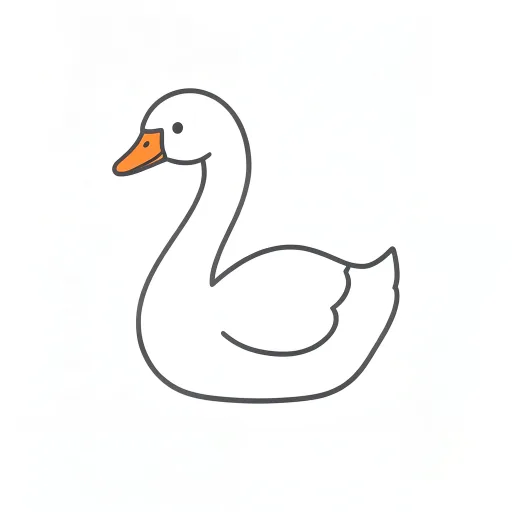
- ਹੰਸ hans
- ਗੰਨਾ gannā

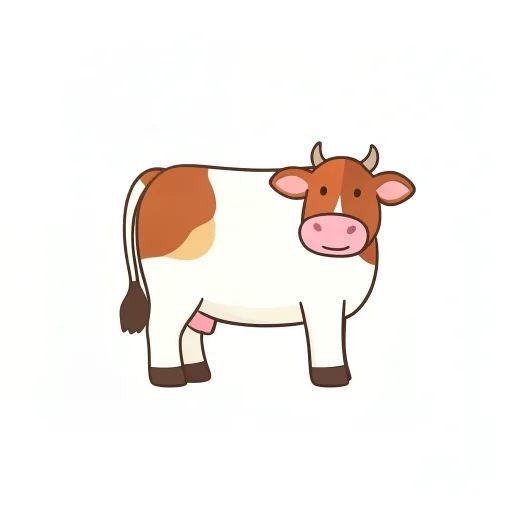
- ਗਾਂ gāṅ
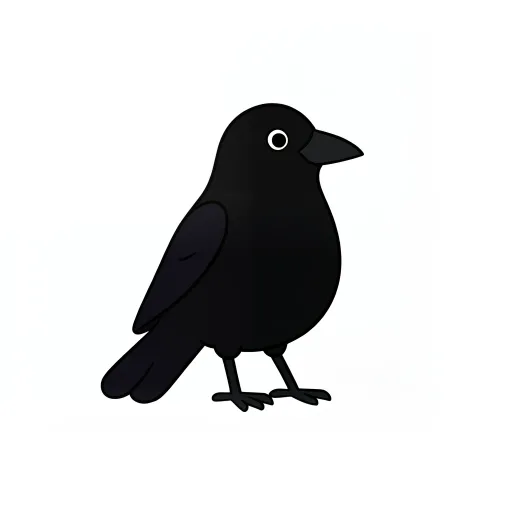
- ਕਾਂ kāṅ
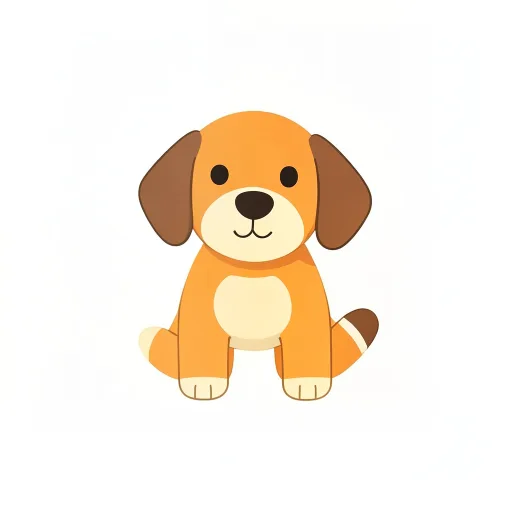
- ਬਾਂਸ bāns

- 3 more steps
- passages
Four skills in this level · tap to jump · every level is open
Step 1 — read these to a grown-up
Read these to a grown-up
Your child reads each word aloud to any grown-up. Tick the ones they read. Two helps allowed.
Ticks are just for this sitting — nothing is saved.
Read
Four marks complete the script — then the first whole sentences.
Step 1 is at the top of the page. Back to Step 1 ↑
The Gurmukhi inside the step headings is still being checked:
Step 2 — Addak ੱ — the doubling mark Open step →
Addak doubles the sound of the letter after it. ਪਕਾ and ਪੱਕਾ are different words.


Say both — one mark apart
- ਪਕਾ ਪੱਕਾ "cook it" → "firm / ripe"
- ਦਸ ਦੱਸ "ten" → "tell me"
Read these to a grown-up
Your child reads each word aloud to any grown-up. Tick the ones they read. Two helps allowed.
Ticks are just for this sitting — nothing is saved.
Step 3 — Pairin letters ਪੈਰ ਹ · ਰ · ਵ Open step →
A letter tucked under another letter. Once your child spots these, nothing in Gurmukhi is unreadable.
Read these to a grown-up
Your child reads each word aloud to any grown-up. Tick the ones they read. Two helps allowed.
Ticks are just for this sitting — nothing is saved.
Step 4 — A whole sentence, ending in ਡੰਡੀ । Open step →
Punjabi puts the verb last and closes with a ਡੰਡੀ — a single upright bar, not a dot.
Your first sentences
- ਇਹ ਮੇਰਾ ਘਰ ਹੈ। ih meraa ghar hai "This is my home."
- ਇਹ ਕੀ ਹੈ? ih kee hai? "What is this?"
- ਮੇਰਾ ਨਾਮ ਹੈ। meraa naam ___ hai "My name is ___."
- ਮੈਨੂੰ ਰੋਟੀ ਪਸੰਦ ਹੈ। mainoon rotee pasand hai "I like roti."
- ਮਾਂ ਰੋਟੀ ਬਣਾਉਂਦੀ ਹੈ। maan rotee banaundee hai "Mother makes roti."
- ਮੈਂ ਸਕੂਲ ਜਾਂਦਾ ਹਾਂ। main sakool jaandaa haan "I go to school."
Read a whole passage
Four lines, all using marks your child now knows. Read it together, then ask the questions.
Passage 1
ਇਹ ਮੇਰਾ ਘਰ ਹੈ।
ਘਰ ਵਿੱਚ ਮੇਰੀ ਮਾਂ ਹੈ।
ਮਾਂ ਰੋਟੀ ਬਣਾਉਂਦੀ ਹੈ।
ਮੈਨੂੰ ਰੋਟੀ ਪਸੰਦ ਹੈ।
What it means — show →
This is my home. In the home is my mother. Mother makes roti. I like roti.
Ask your child
-
Who is in the home? — answer →
Mother
-
What does mother make? — answer →
Roti
-
Does the child like roti? — answer →
Yes
Passage 2
ਇੱਕ ਕਾਂ ਰੁੱਖ ਉੱਤੇ ਬੈਠਾ ਹੈ।
ਕਾਂ ਕਾਲਾ ਹੈ।
ਕਾਂ ਬੋਲਦਾ ਹੈ।
ਗਾਂ ਹੇਠਾਂ ਖੜ੍ਹੀ ਹੈ।
What it means — show →
A crow is sitting on a tree. The crow is black. The crow calls out. A cow is standing below.
Ask your child
-
Where is the crow? — answer →
On a tree
-
What colour is the crow? — answer →
Black
-
Who is standing below? — answer →
A cow
Passage 3
ਅਸੀਂ ਗੁਰਦੁਆਰੇ ਜਾਂਦੇ ਹਾਂ।
ਉੱਥੇ ਸੰਗਤ ਬੈਠੀ ਹੈ।
ਅਸੀਂ ਮੱਥਾ ਟੇਕਦੇ ਹਾਂ।
ਫਿਰ ਅਸੀਂ ਲੰਗਰ ਛਕਦੇ ਹਾਂ।
What it means — show →
We go to the gurdwara. The sangat is sitting there. We bow. Then we eat langar.
Ask your child
-
Where does the family go? — answer →
The gurdwara
-
Who is sitting there? — answer →
The sangat
-
What happens last? — answer →
They eat langar
Listen
Hear a word and work out which mark is hiding in it.
Which mark did you hear?
Press play, listen to the word, then tap the mark you can hear in it. Every word is one your child can look up in the picture dictionary.
This drill is about single words. For listening to a whole stretch of Punjabi, use the three passages in Read: read one aloud yourself and ask your child the questions underneath it. Recordings of the passages are still to come, so for now that step needs your voice.
Speak
Seven patterns and two sorting games — written, but the wording is still being checked, and the recordings are still to come.
Pattern 1
Boy words and girl words
Punjabi words come in two families. Change the ending and the whole sentence follows.
- ਕਰਦਾ ਕਰਦੀ he does → she does
- ਚੰਗਾ ਚੰਗੀ good (boy word) → good (girl word)
Now you try
Say one sentence about a boy, then the same sentence about a girl.
For the grown-up
Don't explain the rule. Say both versions out loud and let your child hear which ending goes with which person — they will start correcting you before they can tell you why.
Pattern 2
One and many
One boy, two boys — the ending changes rather than adding an "s".
- ਮੁੰਡਾ ਮੁੰਡੇ boy → boys
- ਕੁੜੀ ਕੁੜੀਆਂ girl → girls
Now you try
Count things around the room: one, then more than one.
For the grown-up
Use real objects — one spoon, then a handful. Hearing the ending change while seeing the number change does the teaching.
Pattern 3
Me, you, them — and "am / is / are"
Who is doing it decides which little word ends the sentence.
- ਮੈਂ ... ਹਾਂ ਉਹ ... ਹੈ I am → he/she is
- ਤੁਸੀਂ ... ਹੋ ਉਹ ... ਹਨ you are → they are
Now you try
Say "I am happy", then say it about someone else in the room.
For the grown-up
Point at yourself, then at them, then at someone across the room, saying the same sentence each time. The pointing carries the grammar.
Pattern 4
Being respectful
Punjabi has an everyday "you" and a respectful "you". Elders get the respectful one — and ਜੀ.
- ਤੂੰ ਬੈਠ ਤੁਸੀਂ ਬੈਠੋ sit (to a friend) → please sit (to an elder)
- ਹਾਂ ਹਾਂ ਜੀ yes → yes (respectfully)
Now you try
Say the same thing to a brother, then to Nani Ji.
For the grown-up
This one children pick up fastest, because they already know the feeling. Ask them which version they would use with a grandparent — they will get it right.
Pattern 5
Whose is it?
ਦਾ and ਦੀ mark who something belongs to, and they change with the thing owned — not with the owner.
- ਮੇਰਾ ਬਸਤਾ ਮੇਰੀ ਕਿਤਾਬ my bag → my book
- ਭੈਣ ਦਾ ਬਸਤਾ ਭੈਣ ਦੀ ਕਿਤਾਬ sister's bag → sister's book
Now you try
Pick up five things and say who each one belongs to.
For the grown-up
Do it as a sorting game with a pile of real objects, not as a table. The ending follows the object, not the owner — that is the surprise.
Pattern 6
The little linking words
ਨੂੰ · ਵਿੱਚ · ਤੋਂ · ਨਾਲ · ਉੱਤੇ · ਹੇਠਾਂ come after the word, where English puts them before.
- in the house ਘਰ ਵਿੱਚ literally "house in"
- from school ਸਕੂਲ ਤੋਂ literally "school from"
Now you try
Hide a toy and say where it is — on, under, in, next to.
For the grown-up
Give this one double time; it is the pattern English speakers find hardest, because everything is back to front. Play hide-and-seek with it rather than explaining it.
Pattern 7
Question words
ਕੀ · ਕੌਣ · ਕਿੱਥੇ · ਕਦੋਂ · ਕਿਉਂ · ਕਿਵੇਂ — six words that open any question.
- ਇਹ ਕੀ ਹੈ? ਇਹ ਕੌਣ ਹੈ? what is this? → who is this?
- ਤੂੰ ਕਿੱਥੇ ਹੈਂ? ਤੂੰ ਕਦੋਂ ਆਵੇਂਗਾ? where are you? → when will you come?
Now you try
Ask a grown-up three questions in Punjabi and make them answer.
For the grown-up
Let your child interrogate you. Questions are the point where a child stops reciting and starts using the language.
Boy word or girl word?
Tap a word, then tap where it belongs. Many boy words end in ਾ and many girl words end in ੀ — but listen to the word, don't count on the rule.
Just for this sitting — nothing is saved.
One, or more than one?
Tap a word, then tap whether it means one thing or many.
Just for this sitting — nothing is saved.
The Punjabi grammar terms on the sorting boxes — ਪੁਲਿੰਗ · ਇਸਤਰੀ-ਲਿੰਗ · ਇਕਵਚਨ · ਬਹੁਵਚਨ — are still being checked:
This is also the level where the phrase pages become readable — your child can now read, not just repeat, thank you, sorry and happy birthday.
Write
Trace the new marks, then copy a sentence with its spacing and its ਡੰਡੀ ।
Tracing worksheets — the four marks & first sentences
Twelve pages: trace tippi, bindi, addak and pairin letters, then write full sentences on the lines.
Where this meets Gurbani
The Mool Mantar uses every mark in this level. Once your child can read these words, they can read it — slowly, and with you beside them, but read it rather than recite it from memory.
What your child will be able to do
-
Read Ready now
"…read words with tippi, bindi, addak and pairin letters, and read a whole sentence."
-
Listen Ready now
"…hear a word and tell which mark is in it."
-
Speak Ready now
"…change a sentence for a girl or boy, one or many."
-
Write Ready now
"…write a short sentence that ends with ਡੰਡੀ ।"
Use these any time
Questions parents ask
Some answers use Gurmukhi that is still being checked:
- What is the difference between tippi and bindi?
- They make the same kind of nasal hum, but they sit in different places. Tippi (ੰ) goes over short vowels — ਰੰਗ, ਪੰਜ. Bindi (ਂ) goes after long, open vowels — ਮਾਂ, ਗਾਂ, ਨਹੀਂ. Teach it by ear rather than by rule: say the pair out loud and the placement follows the sound.
- What does addak actually do?
- Addak (ੱ) doubles the sound of the letter that comes after it, and it changes the word completely. ਦਸ is "ten"; ਦੱਸ is "tell me". Say both aloud and hold the middle sound in the second one — that held consonant is the whole job of the mark.
- My child can read words but stops at sentences. What helps?
- Two things are new in a sentence, and they are worth separating. First, the verb comes last in Punjabi, so the meaning only lands at the end — your child has to hold the beginning in their head. Second, the ਡੰਡੀ । is a full stop, which tells them where to breathe. Read one sentence aloud yourself, then have them read the same one back before moving on.
- Do we need to learn the grammar words — ਪੁਲਿੰਗ, ਇਸਤਰੀ-ਲਿੰਗ?
- Not to use the language. The patterns in this level are taught by sorting and swapping, not by naming, because a child picks up gender agreement by ear long before they can define it. The Punjabi grammar terms are there for the parents and for anyone whose child also attends a Punjabi class, where those words will come up.
- Is this enough to read a story?
- Nearly. Level 3 completes the script, which means there is no longer a Gurmukhi mark your child cannot decode. What Level 4 adds is stamina and speed — reading a whole page aloud without romanization. If your child is enjoying the passages here, the early readers are the natural next thing to try.